Garage Door Opener Diagnosis and Repair
Nothing. No light, no click, no hum from the unit on the ceiling. The remote is dead, the wall button is dead, the keypad is dead.
Garage Door Opener Diagnosis and Repair
Kids on bikes, a dog that darts under, groceries in both hands: a garage door needs to stop when it should and stay put when it is open. We set the safety features properly and show you the monthly test that confirms they work.
From the shop
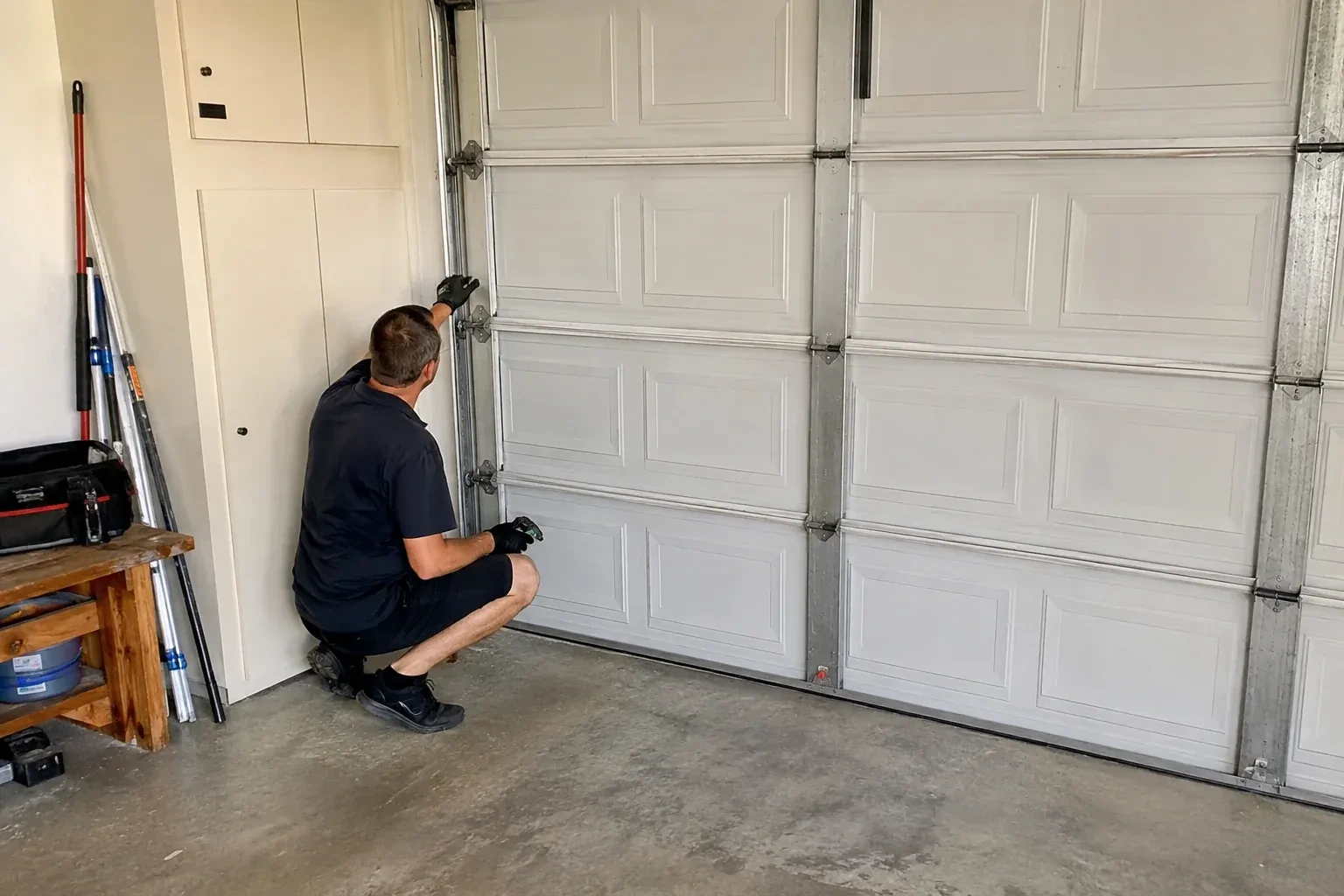
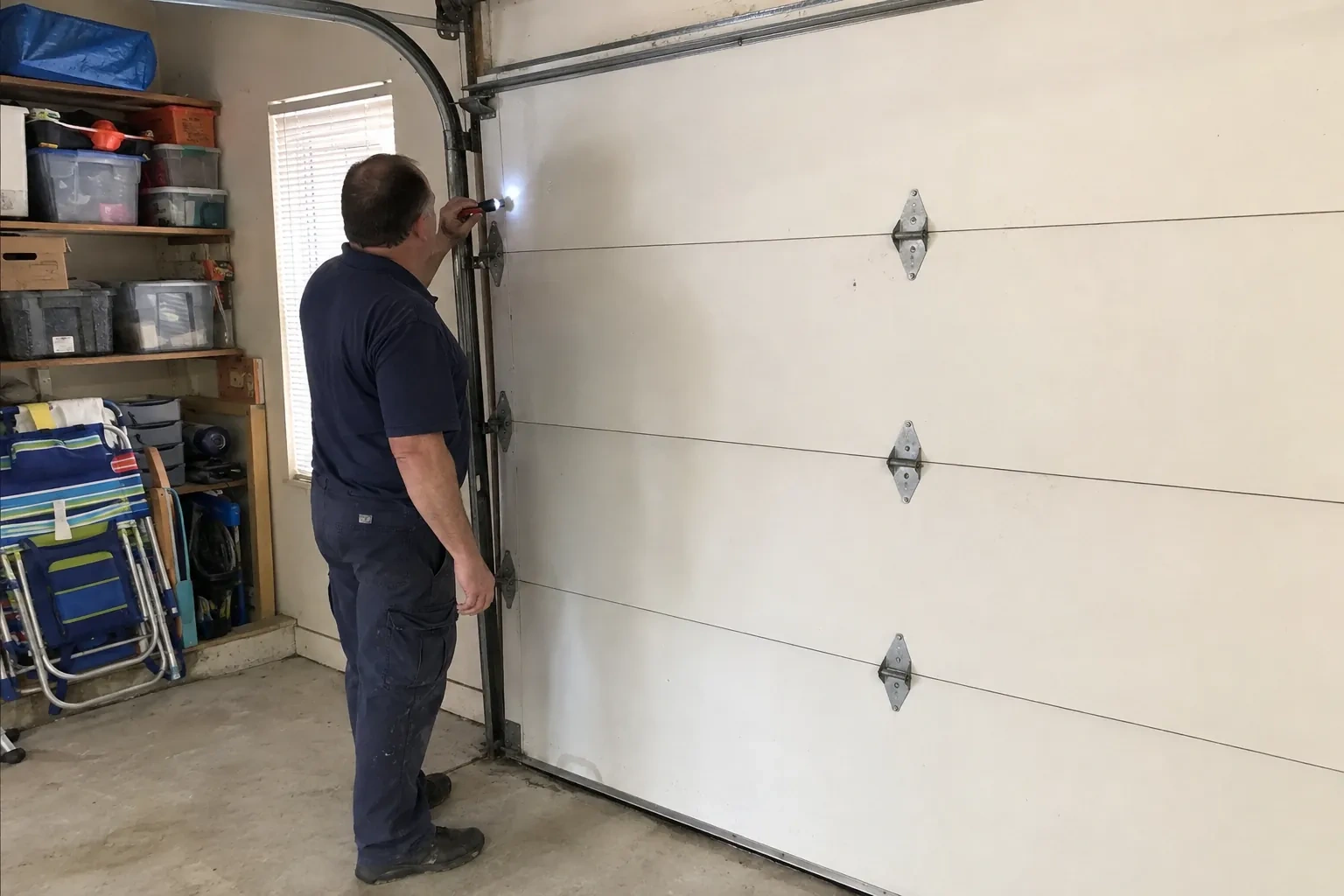
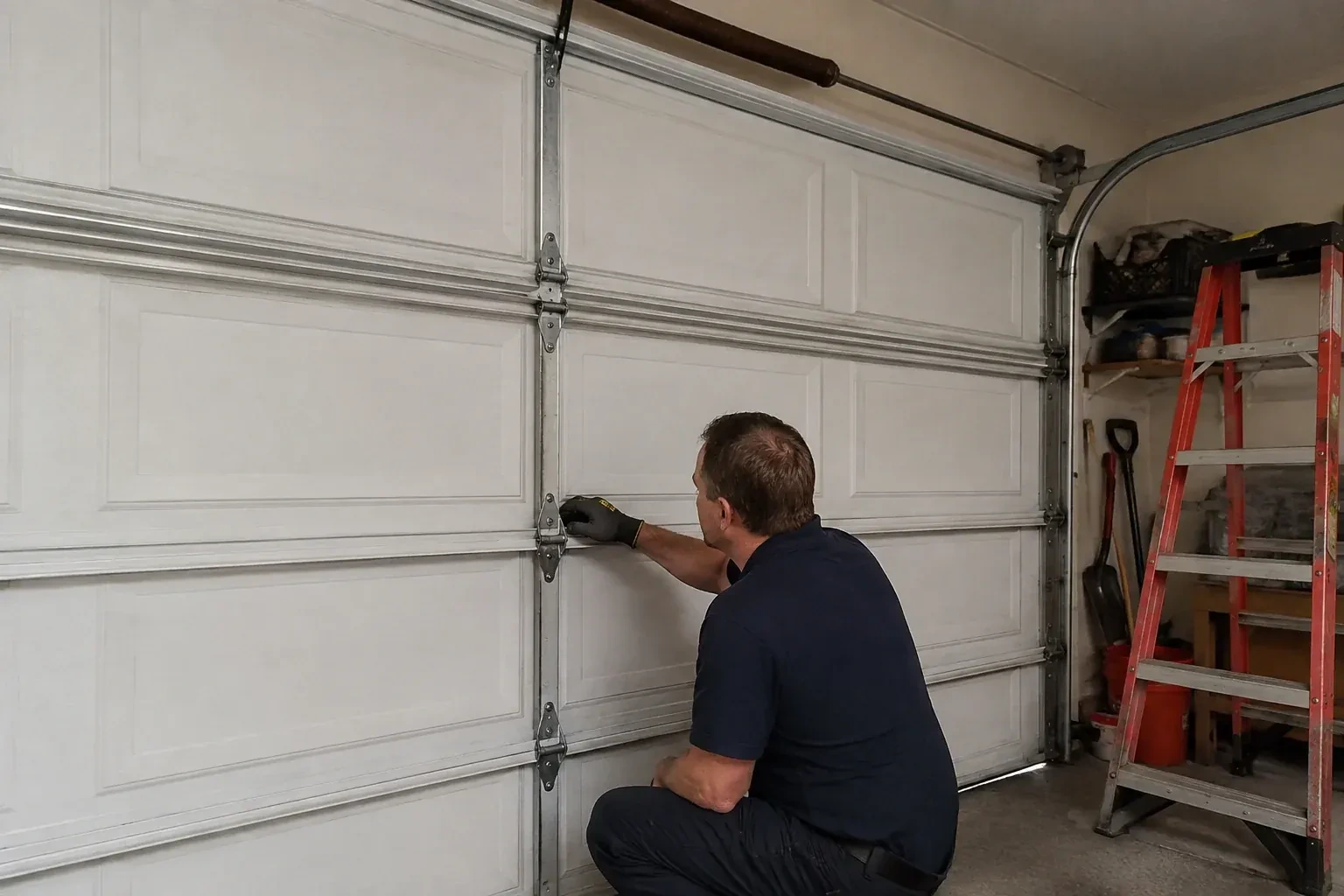
A tune-up is a fixed routine we follow on every door: tighten all hardware, lubricate hinges, rollers, springs and bearings, check cable condition, set spring balance, adjust opener limits and force, test the safety sensors and clean the tracks. It is the difference between a door that runs and a door that lasts.
— Escarpment Door Specialists
Hours
Garage door services
Below is everything we do to garage doors, from the smallest adjustment to a complete replacement. If your problem is not obvious, start with a diagnosis visit; the fault is often in a part you would not have guessed.
Repairs
Between a full replacement and doing nothing sits a lot of sensible work: resetting a door that has come off its rails, replacing a cracked section, fitting fresh weatherstrip around the frame and tightening what has shaken loose over the years.
Springs
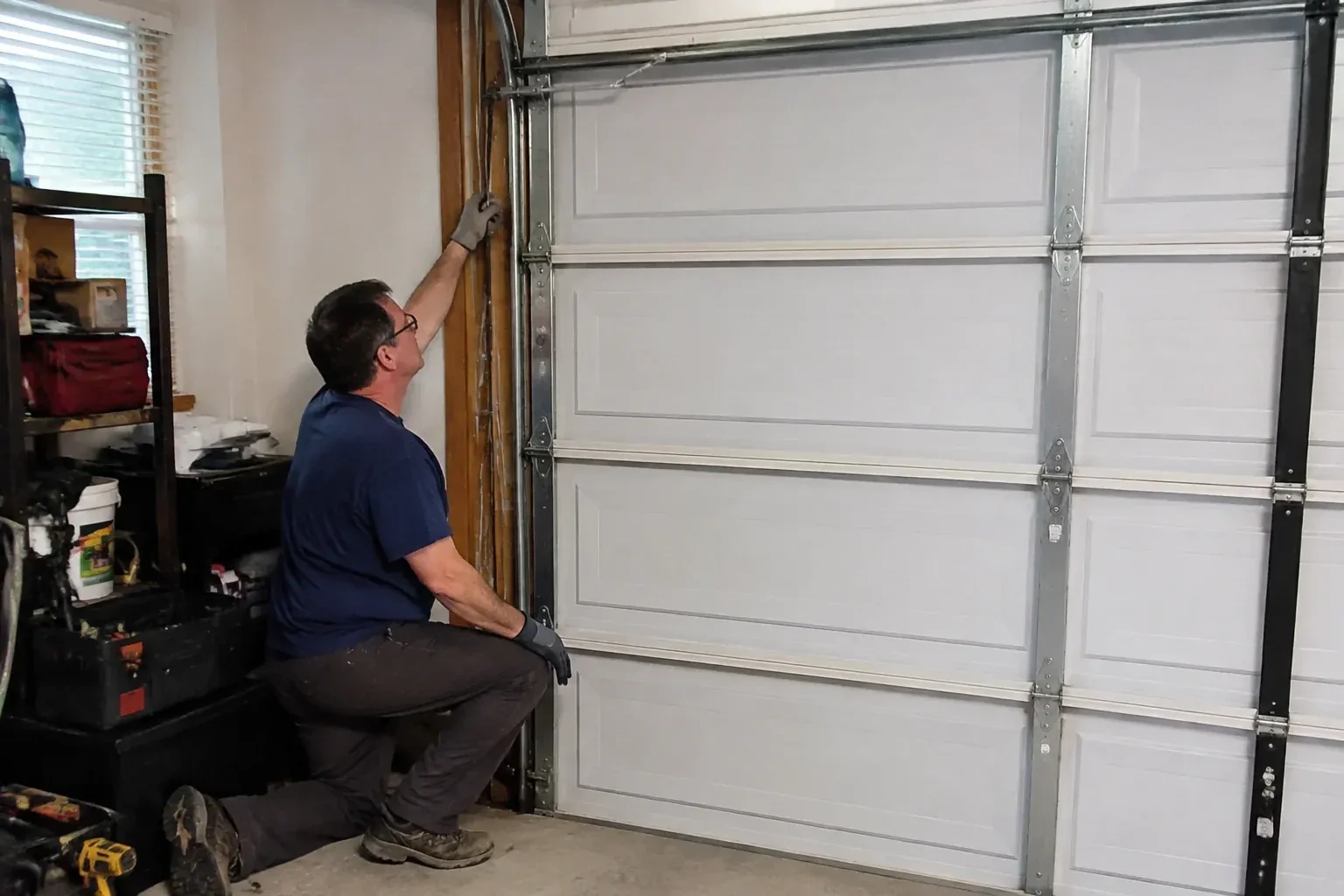
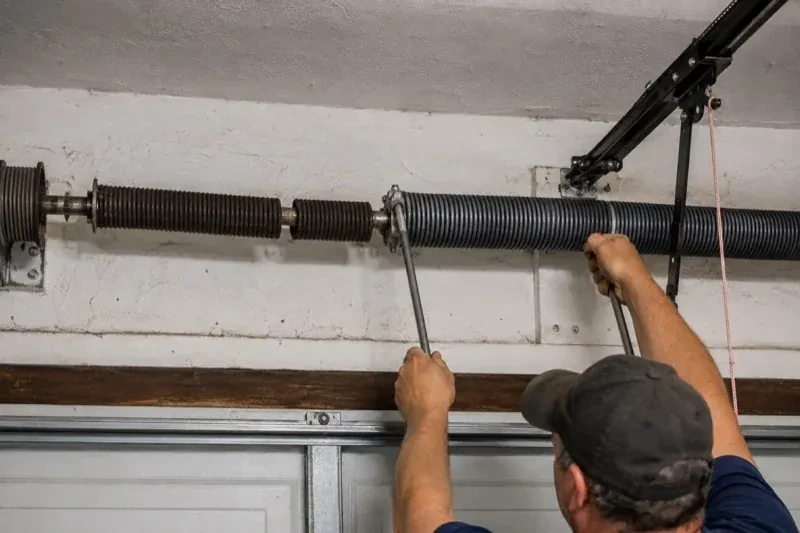
Every spring has a fixed number of open and close cycles in it, and a busy household uses them up sooner than a quiet one. When yours are worn, we fit replacements sized to your door and can suggest longer-life options for heavy use.
Openers
The safety reversal test is quick and tells us a great deal: the door should back off when it meets a solid object on the floor. If it does not, the force or the sensors are wrong, and we correct them before we leave.
New Doors
Upgrades that make a garage more useful: insulated panels that keep the space warmer, high-lift tracks for a car lift or tall truck, and glass doors that turn the garage into a room.
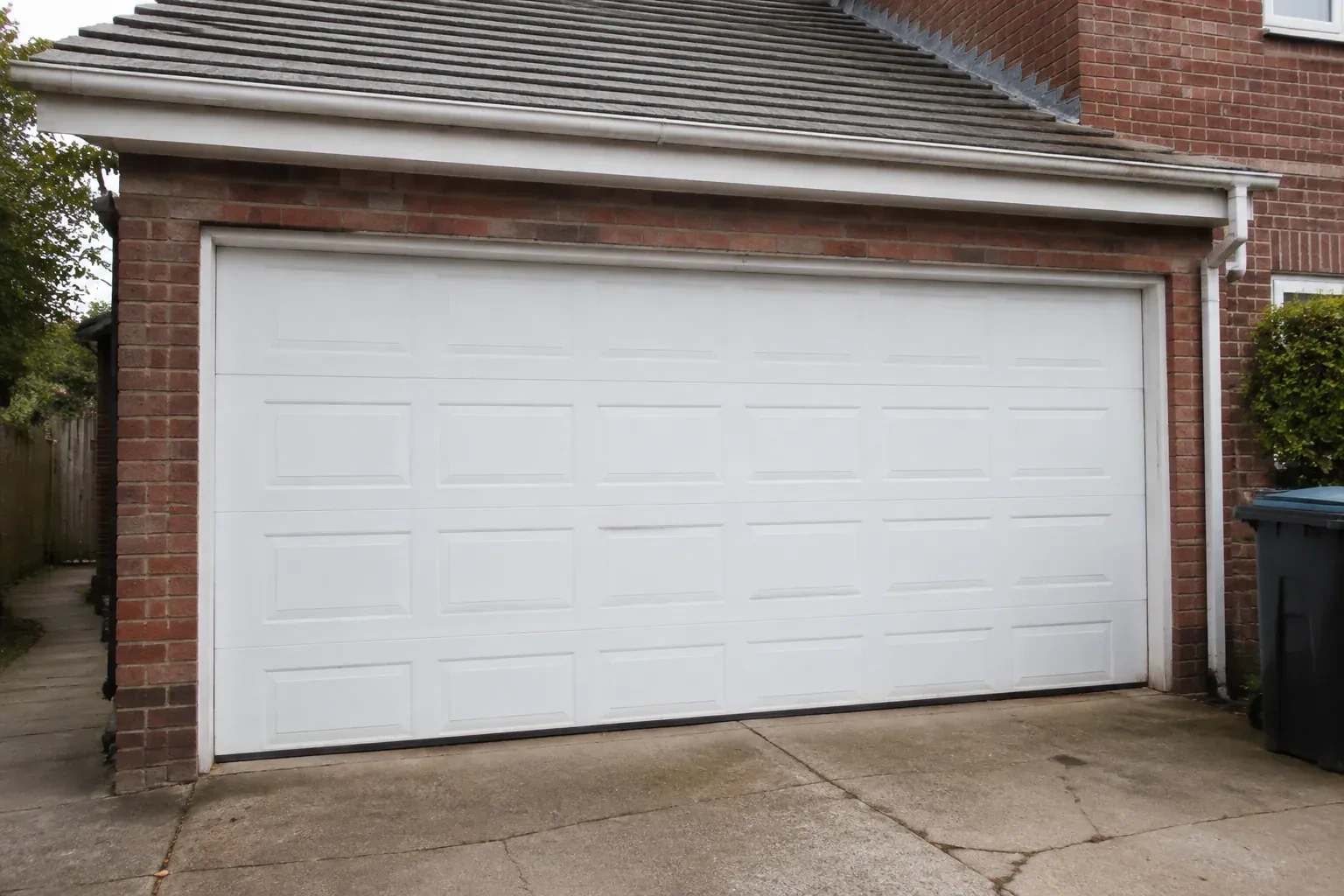
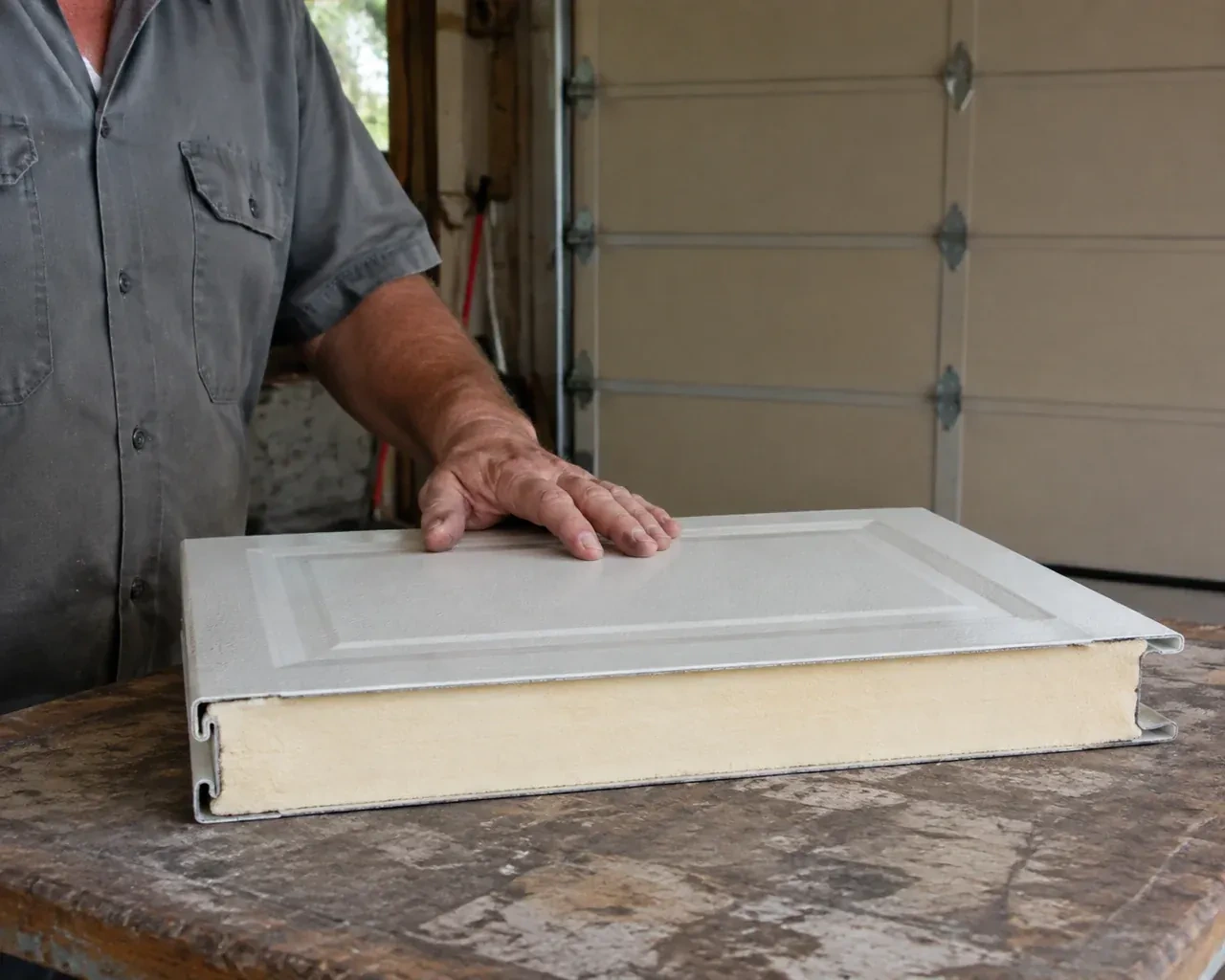 Insulated Steel Garage Door Installation
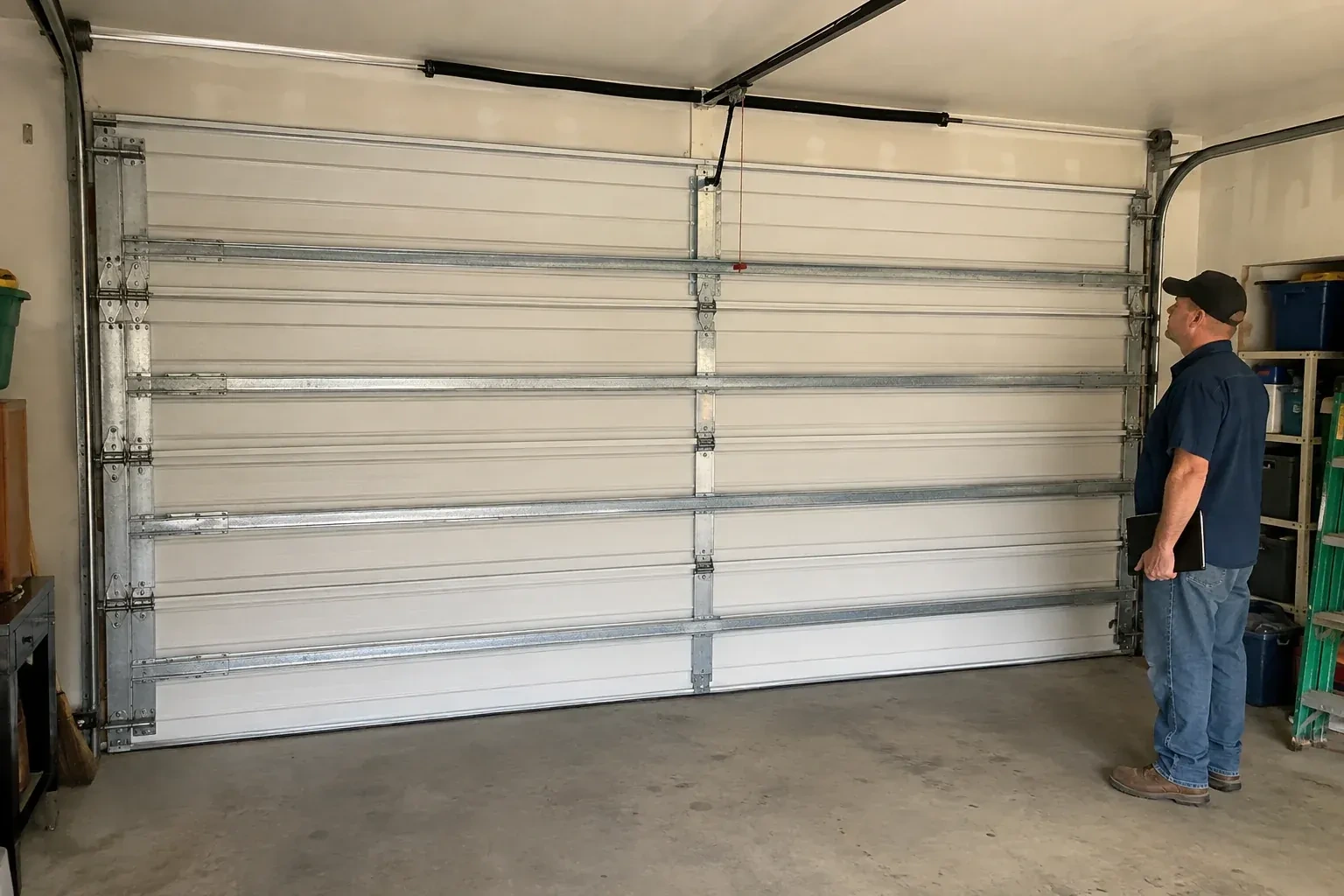 Wind-Rated Garage Door Replacement
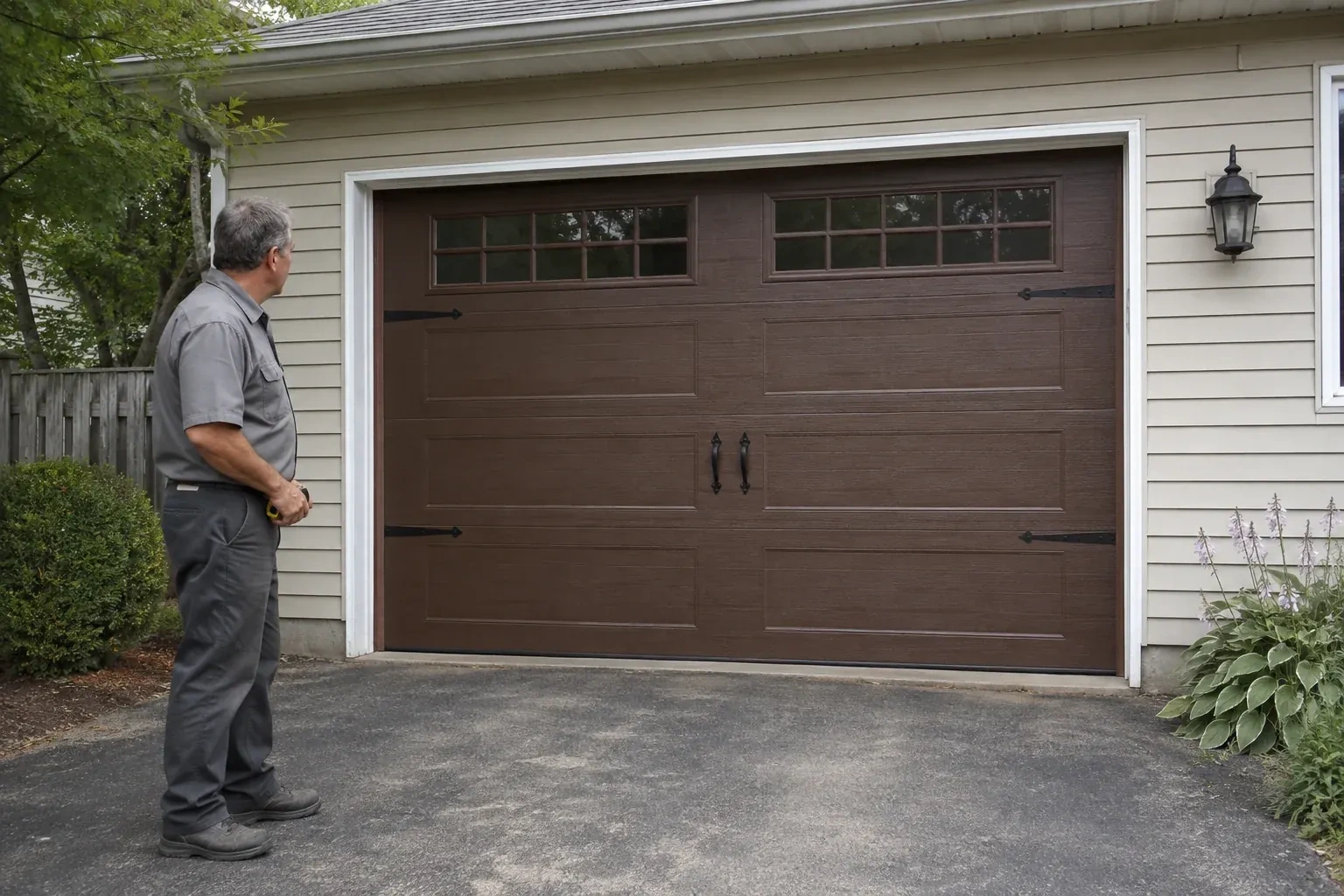 Carriage-House Garage Door Installation
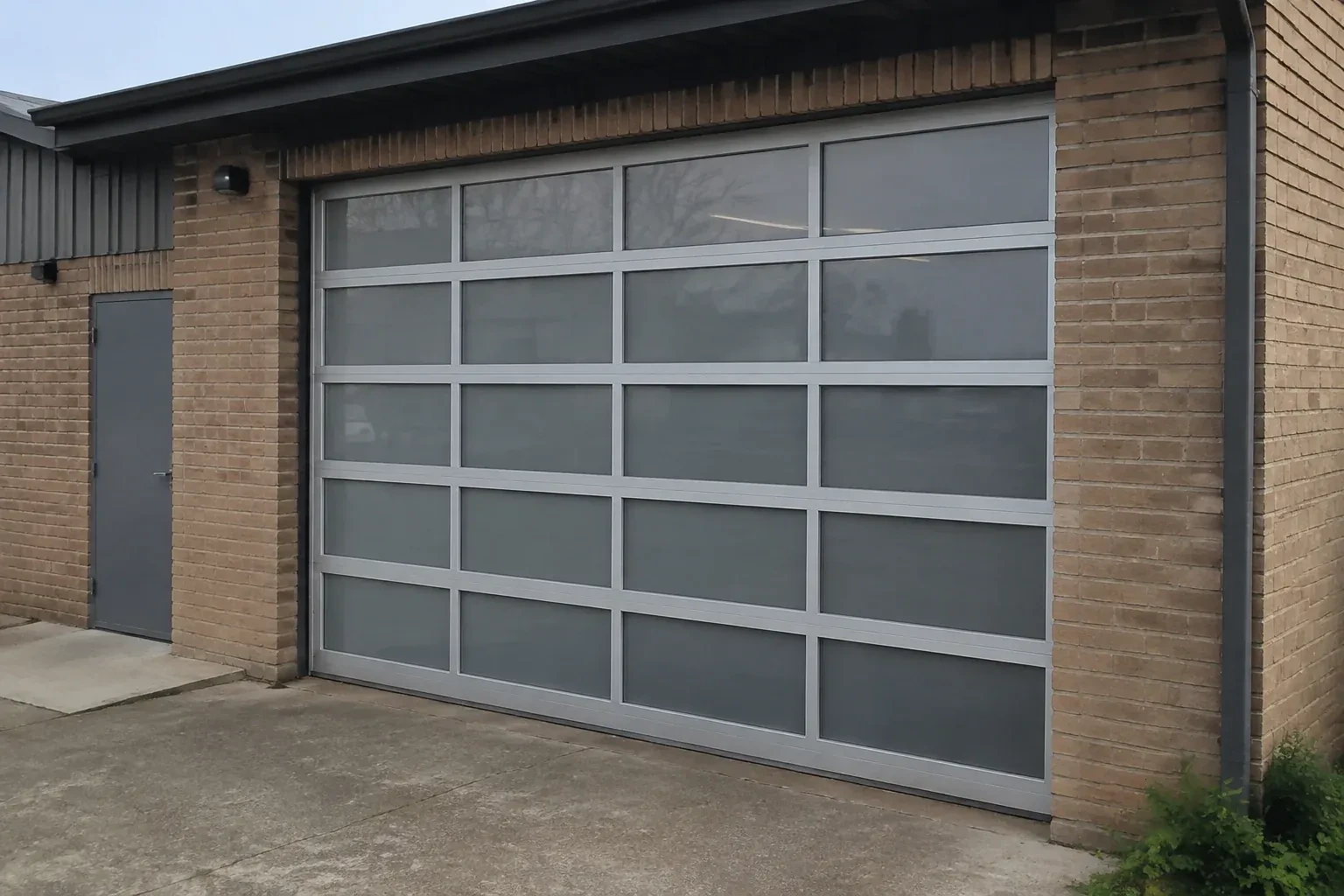 Full-View Glass Garage Door Installation
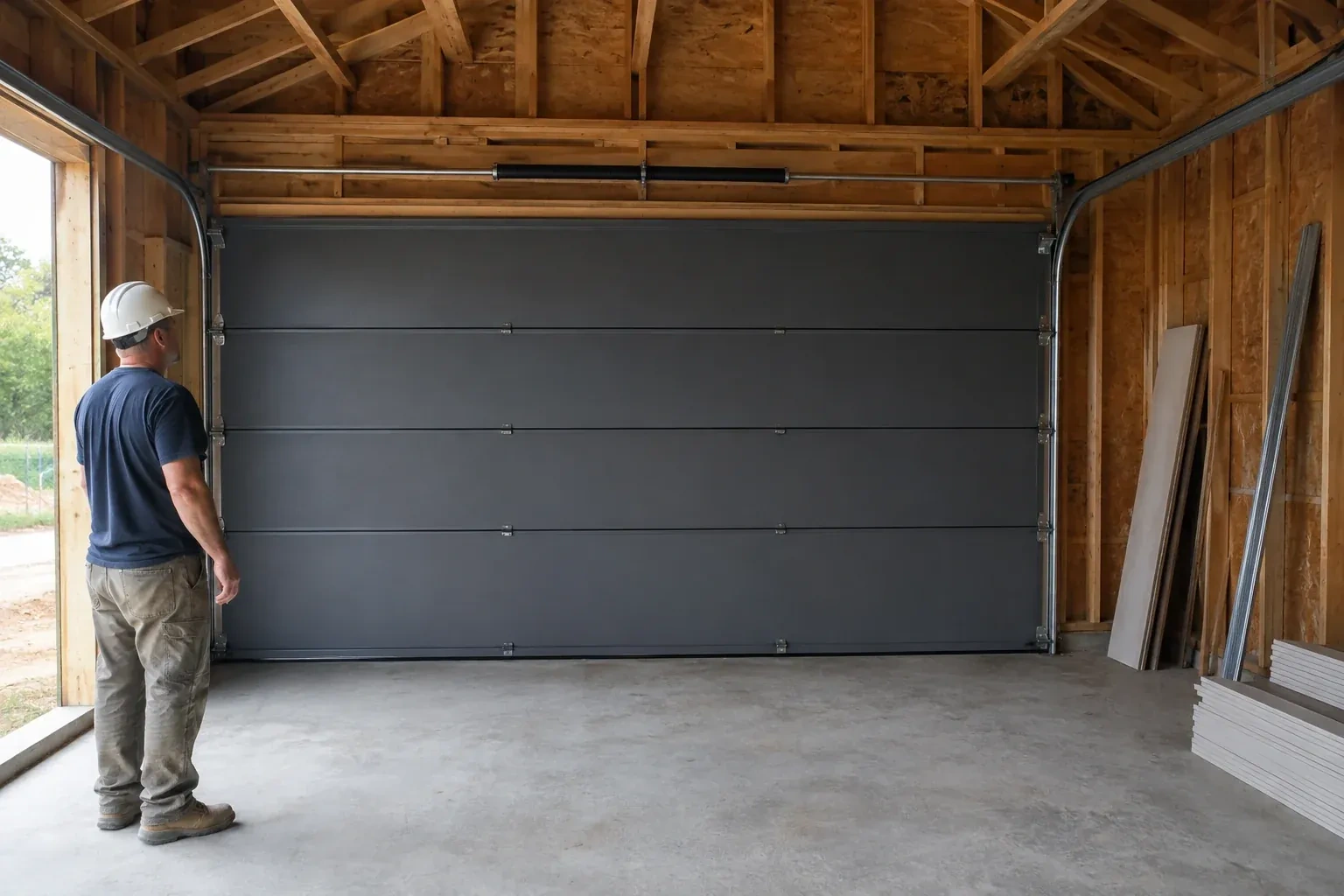 New-Construction Garage Door Installation
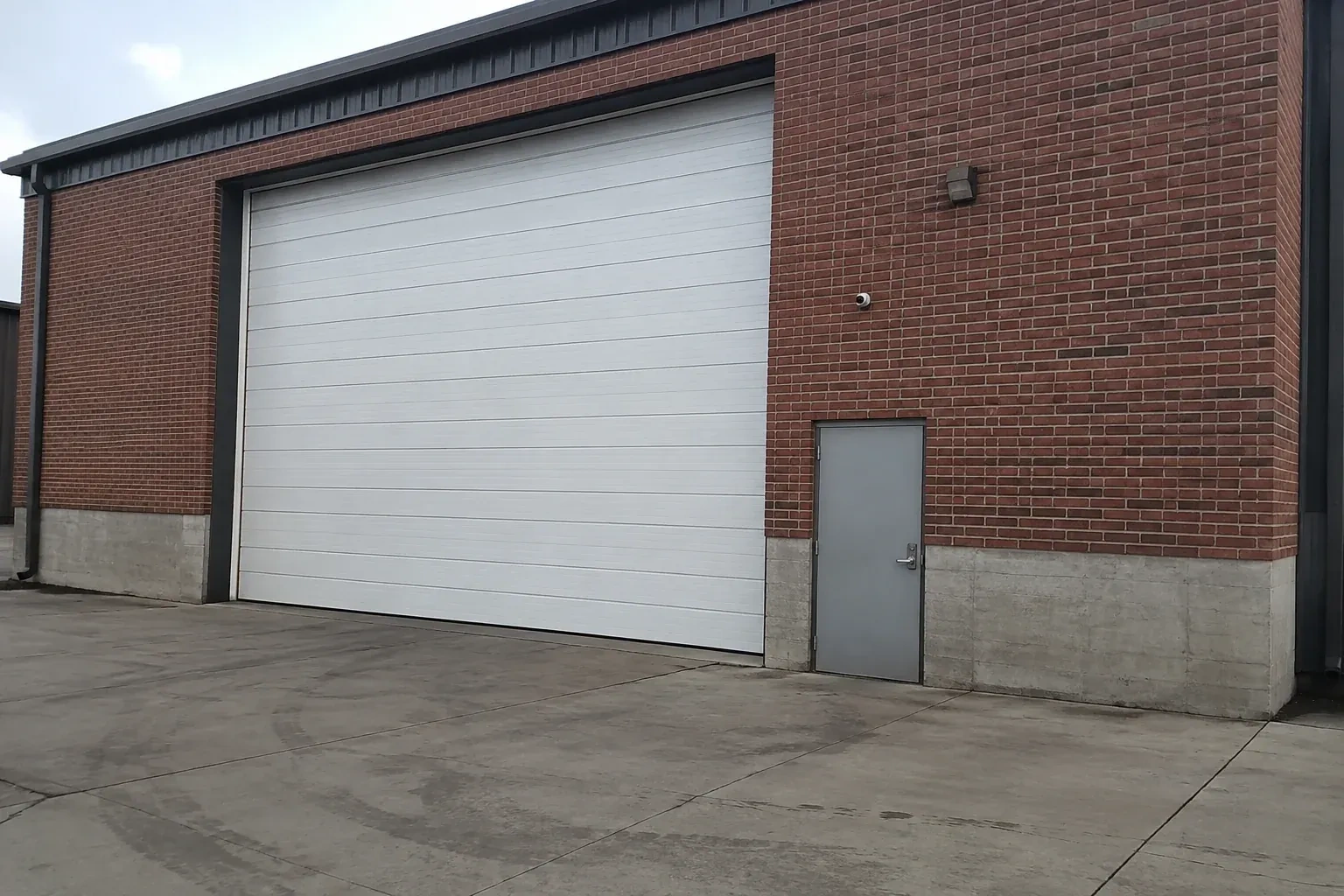 Commercial Sectional Door Repair
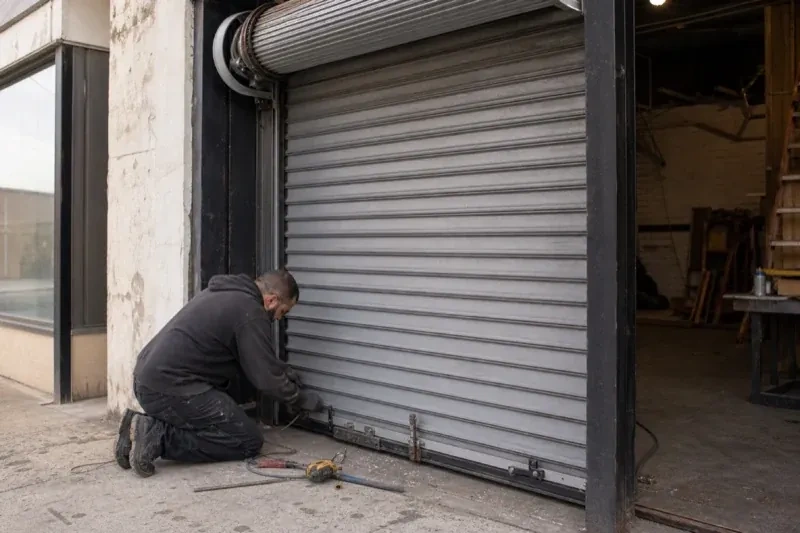 Commercial Rolling Door Repair
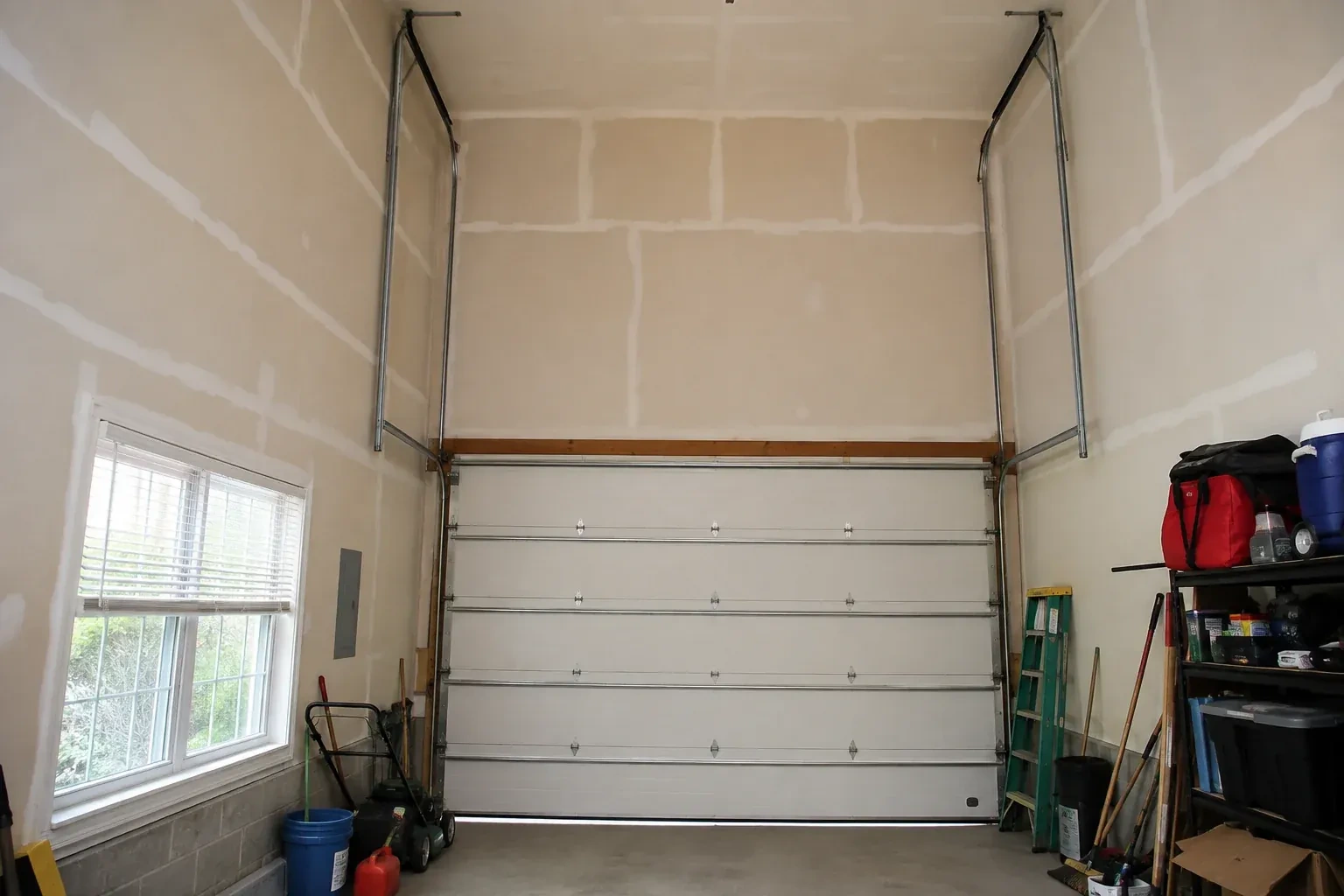 High-Lift Garage Door Conversion
Hamilton
Garage Door Opener Diagnosis and Repair
Nothing. No light, no click, no hum from the unit on the ceiling. The remote is dead, the wall button is dead, the keypad is dead.
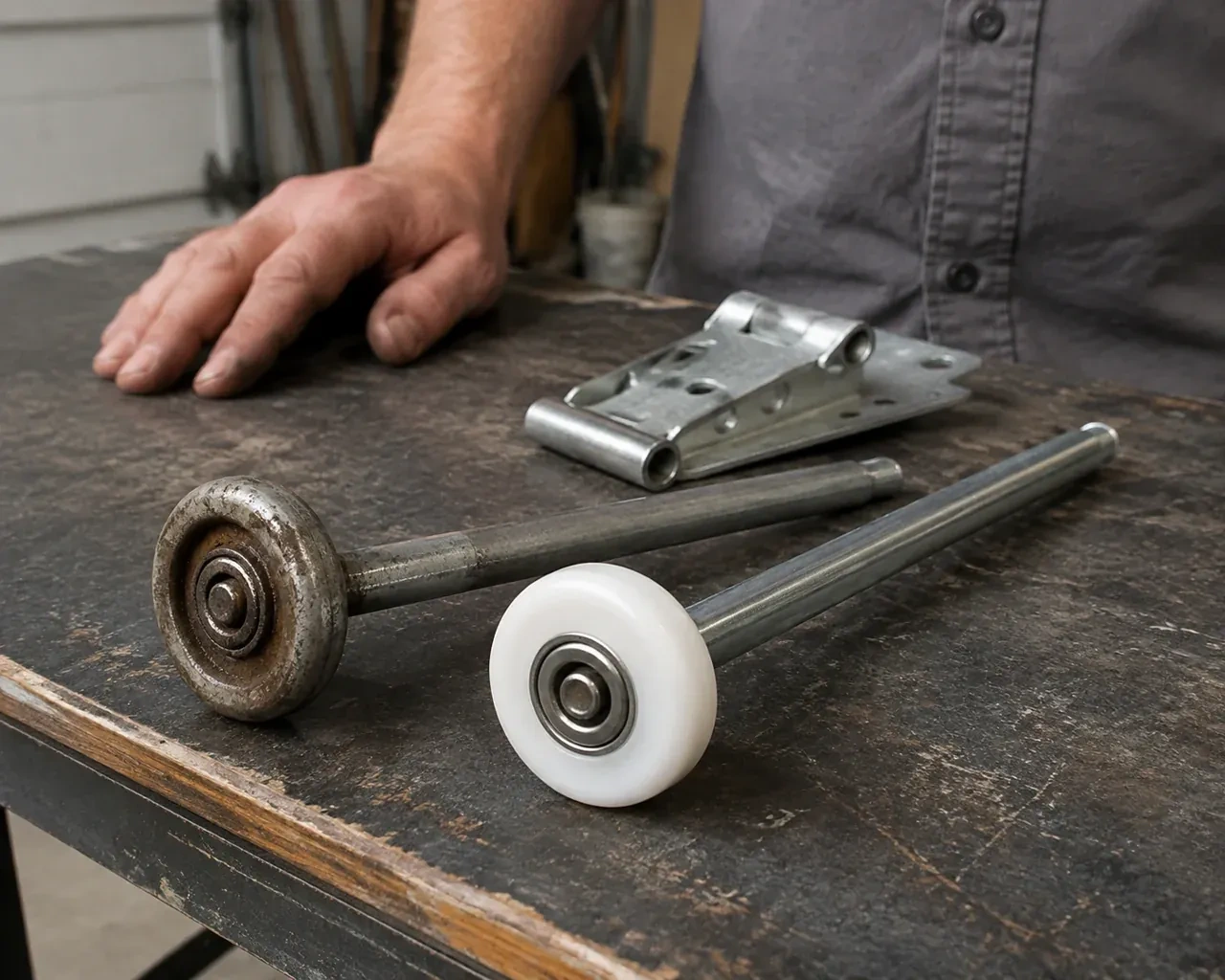
Garage Door Opener Diagnosis and RepairUsuallyRoller replacement.
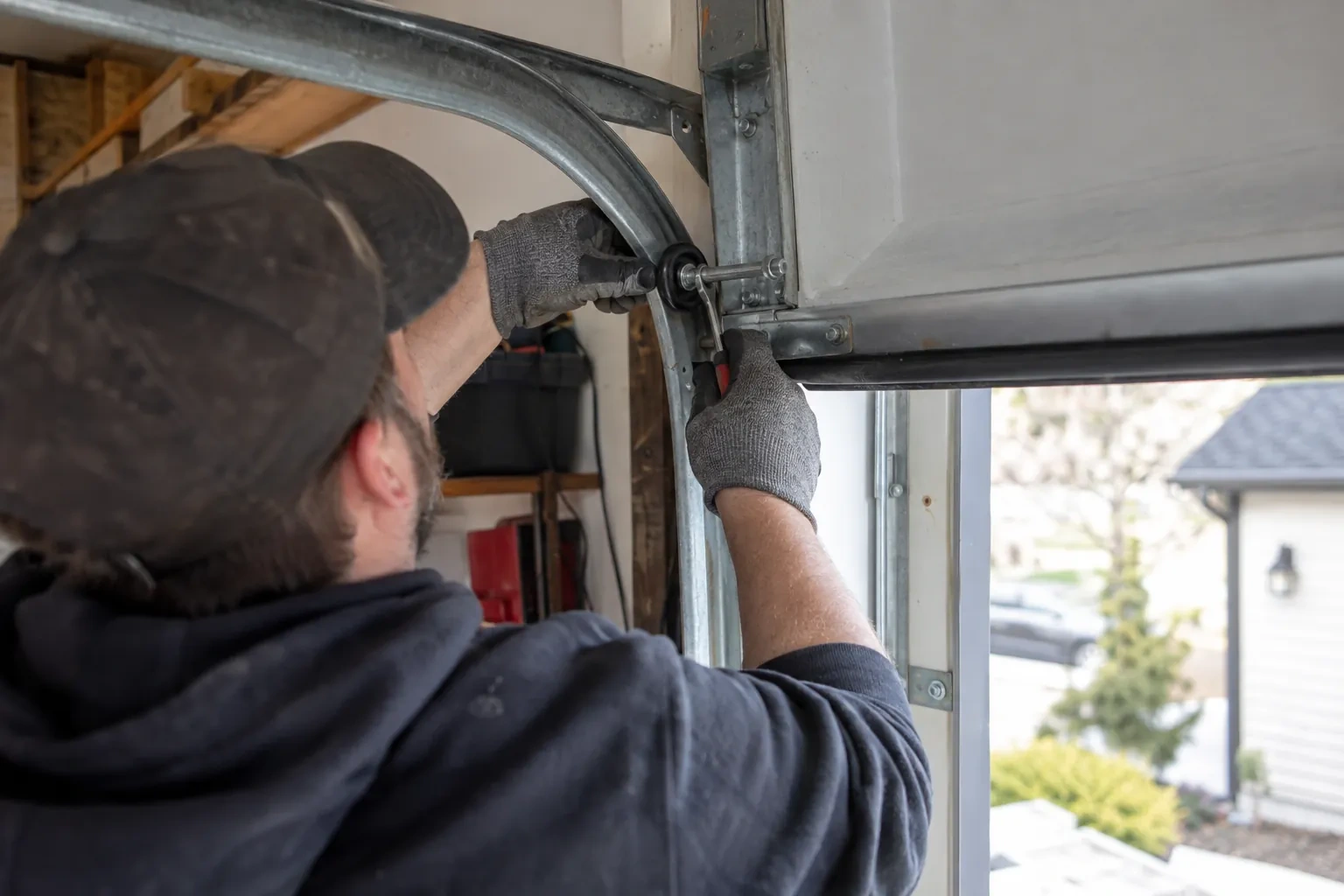
WhyWorn steel rollers develop flat spots; sealed nylon rollers run much more quietly on the same track.
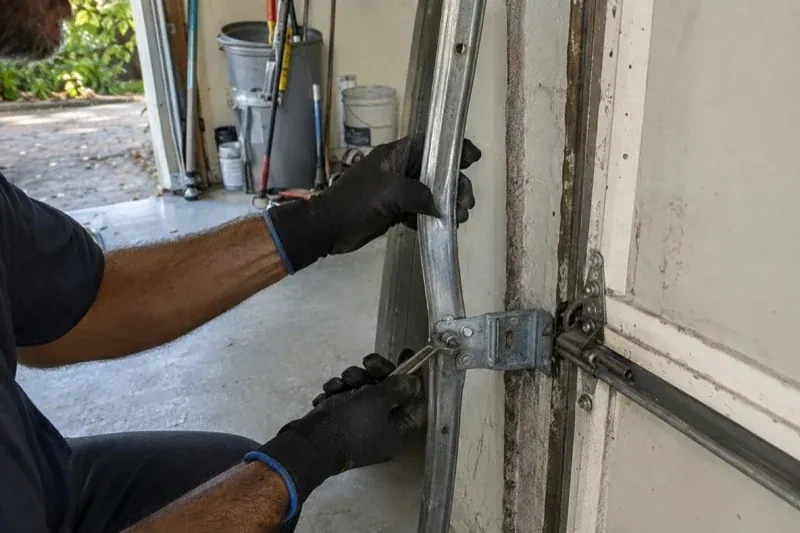
UsuallyHinge lubrication or replacement.
WhyDry or cracked hinges bind as the panels articulate; lubricating or swapping them restores smooth movement.
UsuallyHardware tightening.
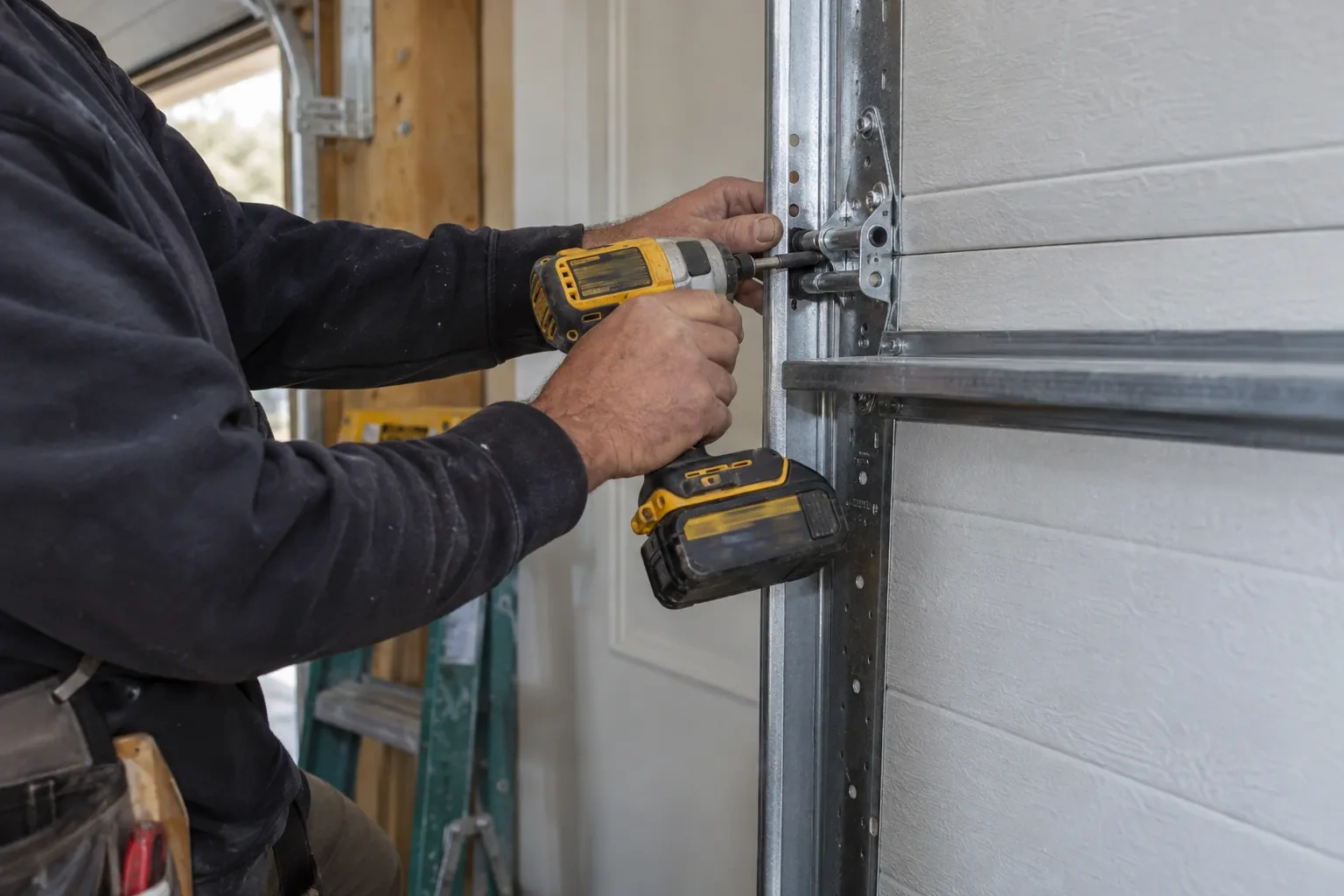
WhyLoose hinge bolts and roller brackets let the sections move against each other; a full tightening usually settles it.
UsuallyWind-Rated Garage Door Replacement
WhyA wide garage opening collects a substantial wind load because pressure acts across the full door area.
UsuallyCarriage-House Garage Door Installation
WhyCarriage-house garage door installation gives a home the visual rhythm of old coach doors without requiring the panels to swing across the driveway.
UsuallyFull-View Glass Garage Door Installation
WhyThe project begins on paper before any sections arrive.
Open 24/7
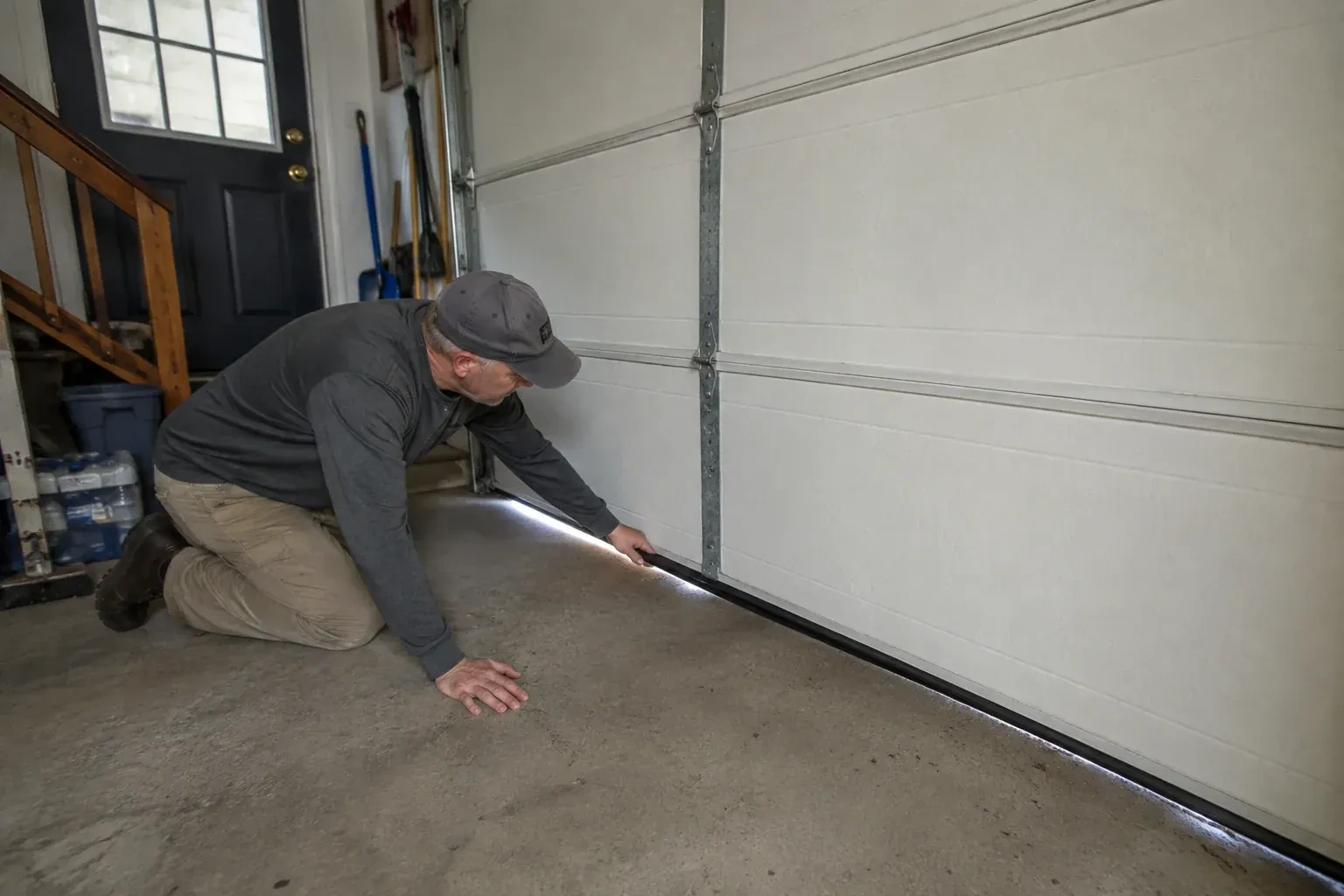
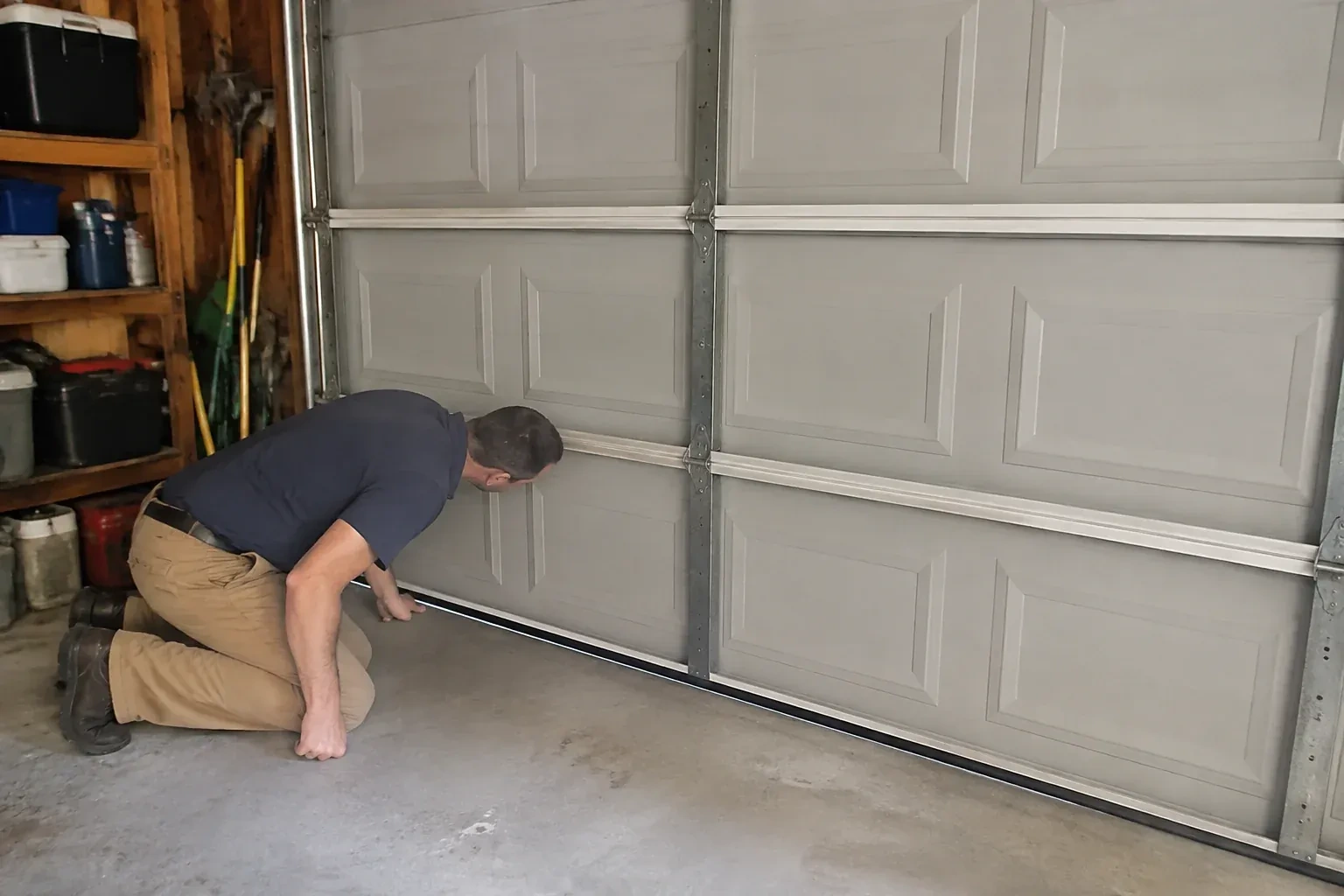
Winter changes what an opener is asked to do. Grease in the gear case and on the rail thickens in the cold, rollers turn stiffly, and the bottom seal can freeze to the concrete overnight so the door is briefly glued shut.
1 of 3
There is no wrong way to describe a garage door problem. Tell us what you saw and heard; we ask the follow-up questions.
2 of 3
A door that stops halfway can be a sensor, a spring or a stripped gear. We test each possibility rather than assuming the obvious one.
3 of 3
The technician fits the correct parts, adjusts the opener to the door, and shows you the result running through full cycles.
Hamilton, Ontario
2021 census · what it means at the door
61%Older homes
About 61% of homes in Hamilton were built in 1980 or earlier, according to the 2021 Census.
In a mature neighbourhood the garage door is often the single largest feature of the front elevation, so keeping the original look matters. Modern insulated doors come in raised-panel and carriage styles that echo the older designs while running on today's torsion hardware.
56%
Single-detached houses make up about 56% of homes in Hamilton (2021 Census).
In a neighbourhood with both detached and attached homes, some customers decide alone and others report to a board or property manager. We adapt the visit accordingly, giving a homeowner options at the door and a manager a written summary they can circulate.
The opener believes something is in the way. Either the photo-eye beam near the floor was broken, misaligned or blocked, or the door met more resistance than its force setting allows, often from a frozen seal, stiff rollers or a travel limit set slightly too long so the door hits the slab. The indicator light on the head unit usually tells which of the two it was, and the technician confirms it by testing rather than guessing.
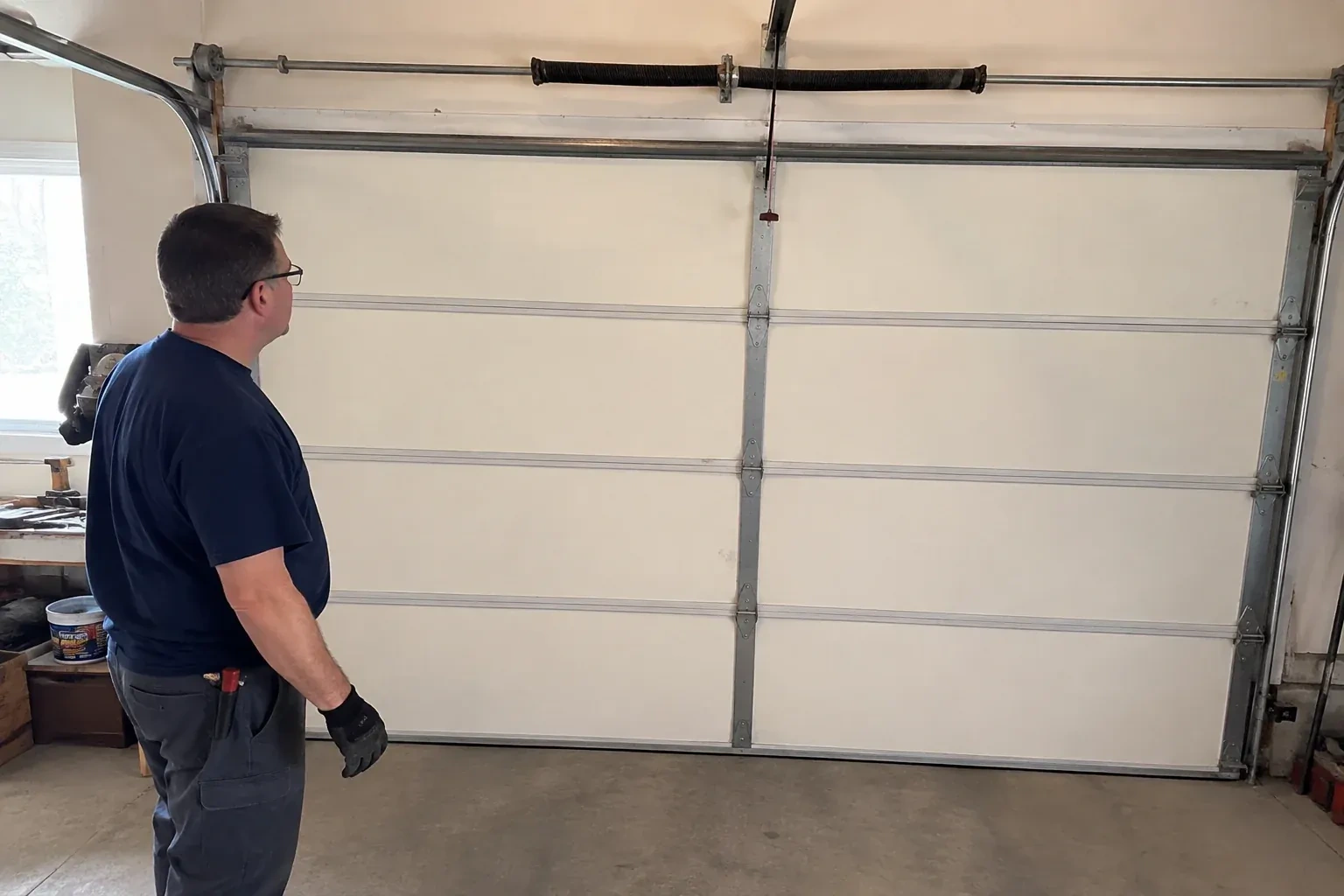
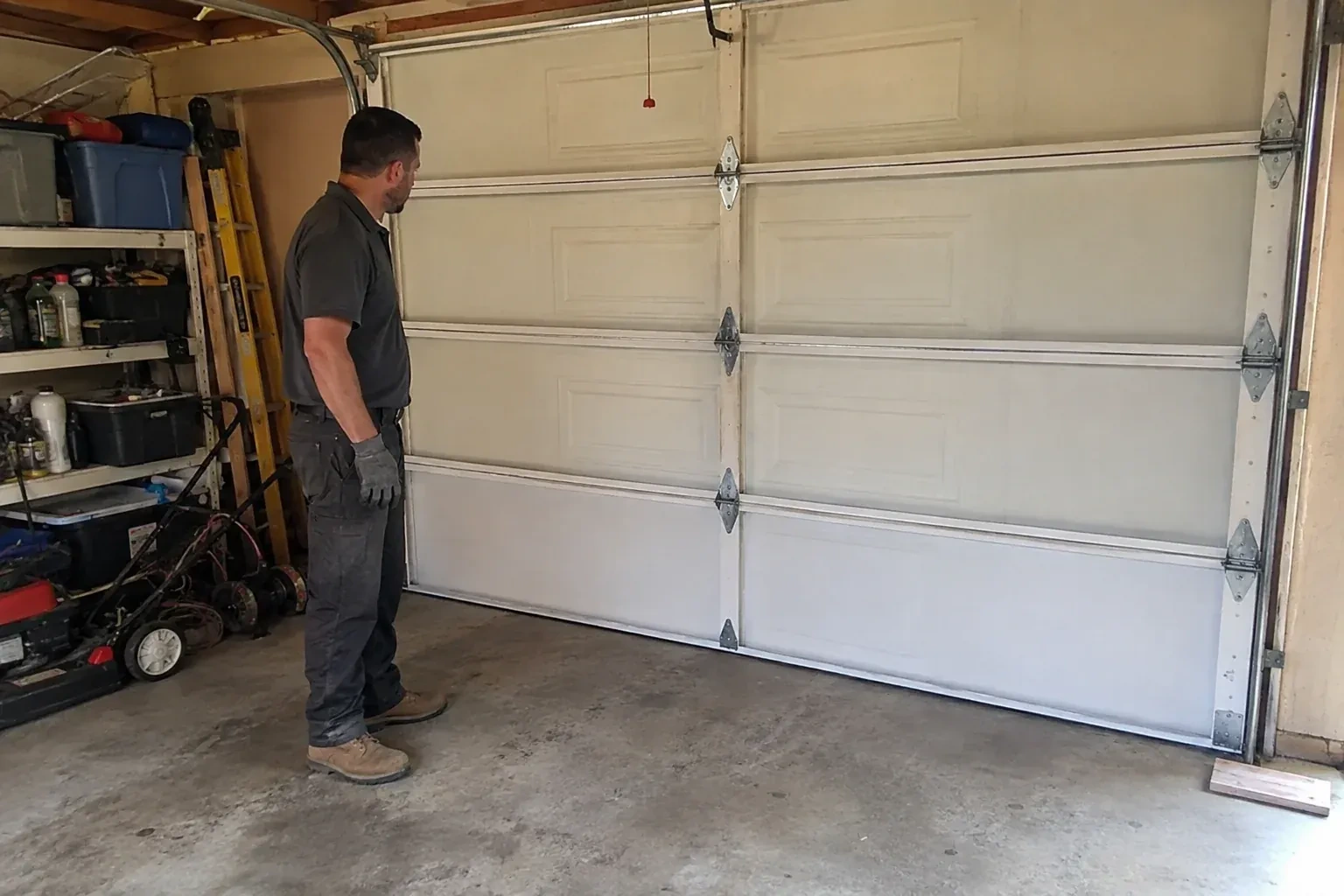
A fixed sequence of checks, done in order so nothing is assumed. Power at the receptacle. Each control tried on its own. The photo eyes and their indicator lights. The head unit's flash code, if it has one. The drive train from motor to trolley. Then the door itself, disconnected and lifted by hand to test its balance. Only after that is a part named and, where it is a small one, replaced during the same visit.
Two usual reasons. The travel limit is set a fraction too long, so the door reaches the slab, meets it harder than expected and interprets that as an obstruction. Or the bottom seal has stiffened or frozen and the last few centimetres take more force than the setting allows. Both are adjusted after the door is checked for balance, and the fix is confirmed by closing the door several times and running the contact reversal test.
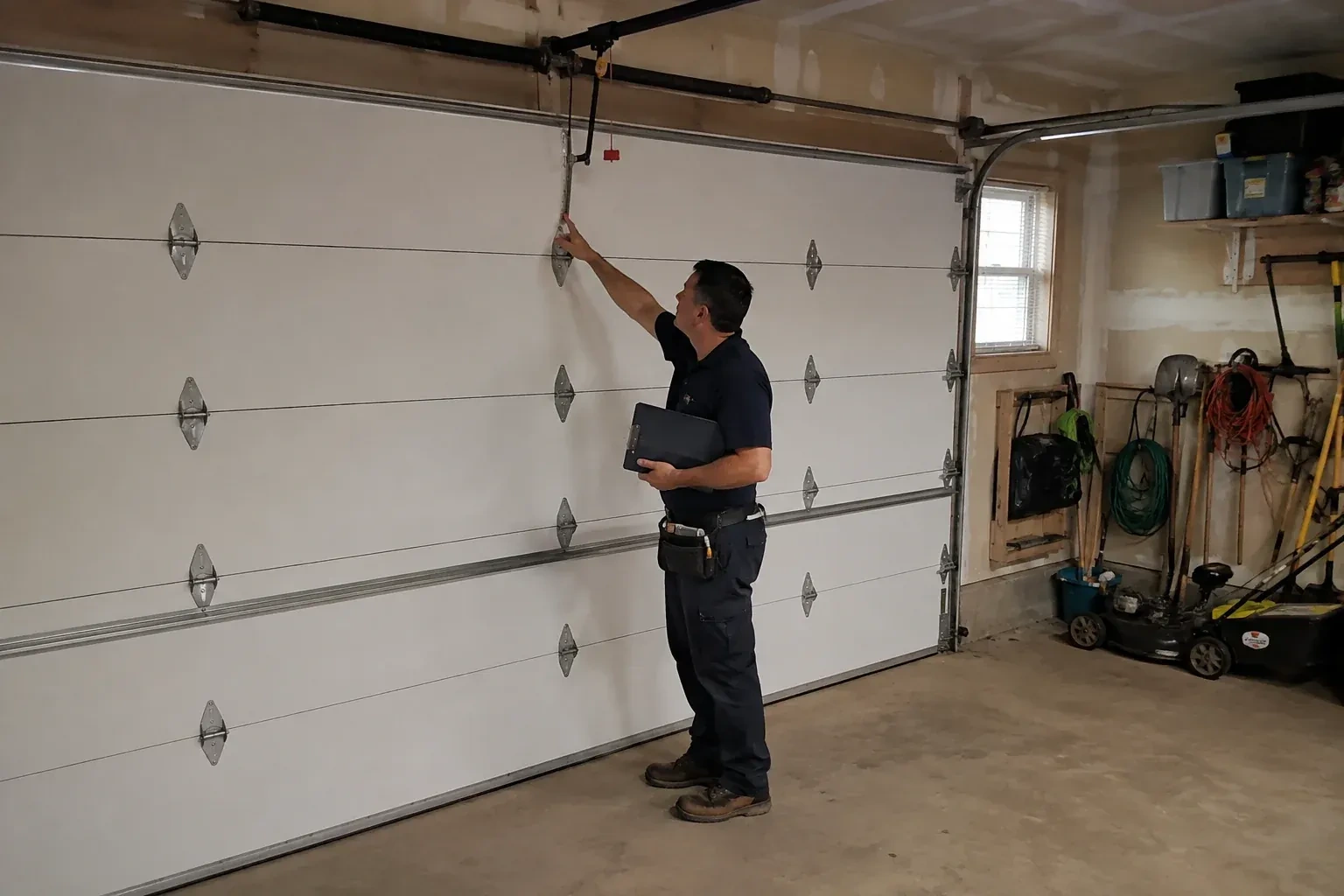
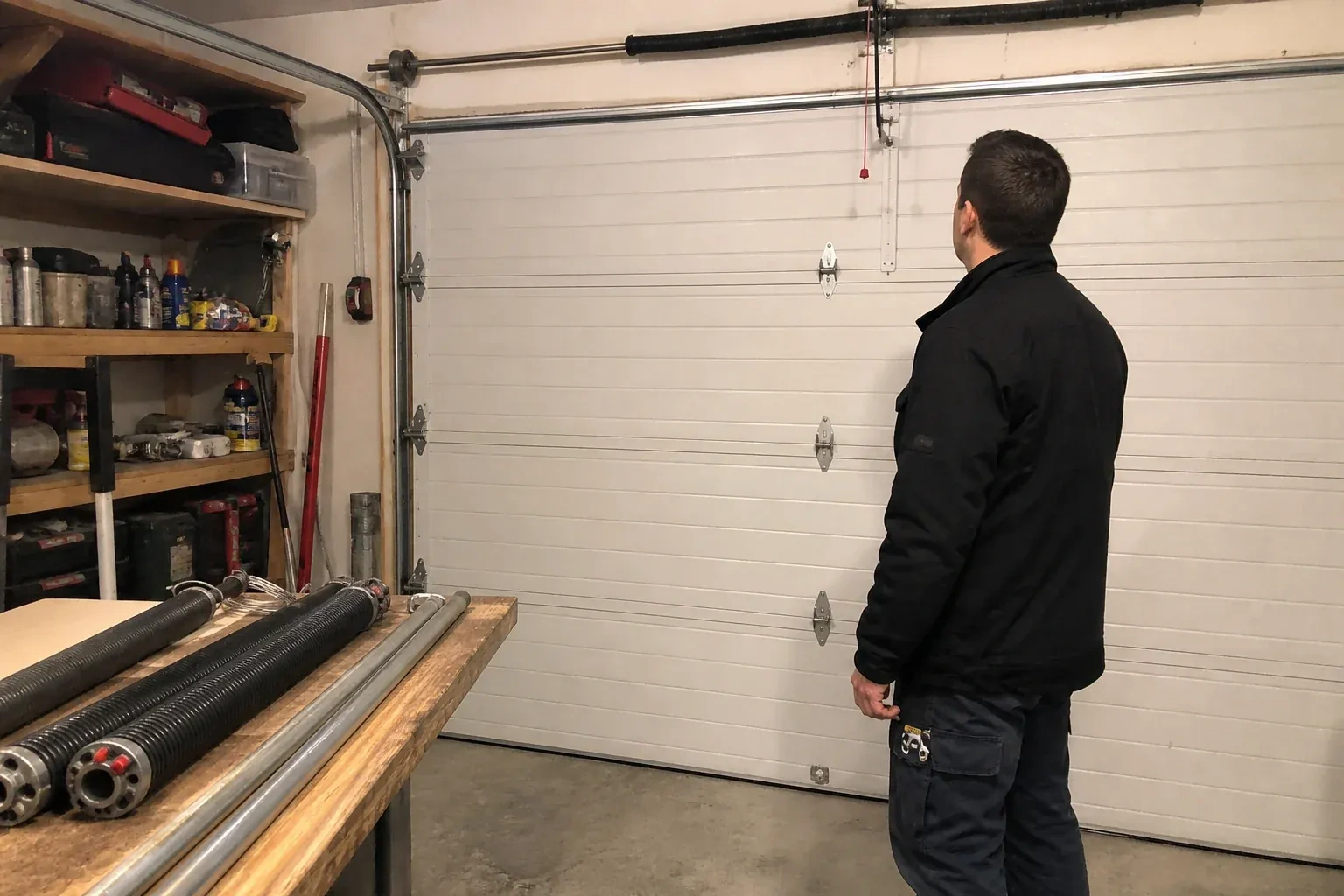
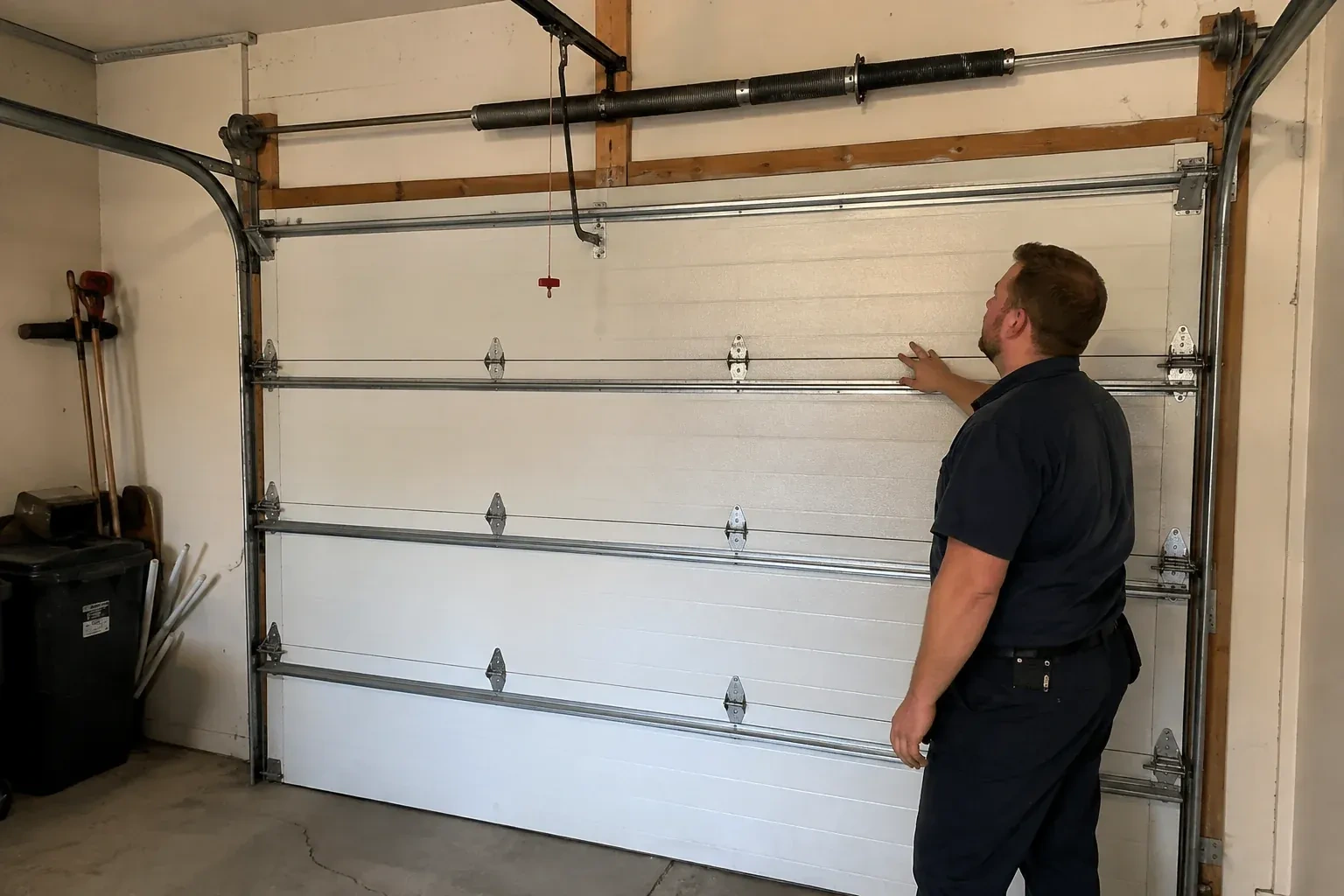
Balance means the spring is holding almost exactly the door's weight, so the door neither flies up nor slams down and the opener only guides it. It is tested by releasing the opener, lifting the door to about waist height and letting go: a balanced door stays there. The technician fine-tunes in quarter turns of the spring until the door holds at several heights and travels evenly on both sides.
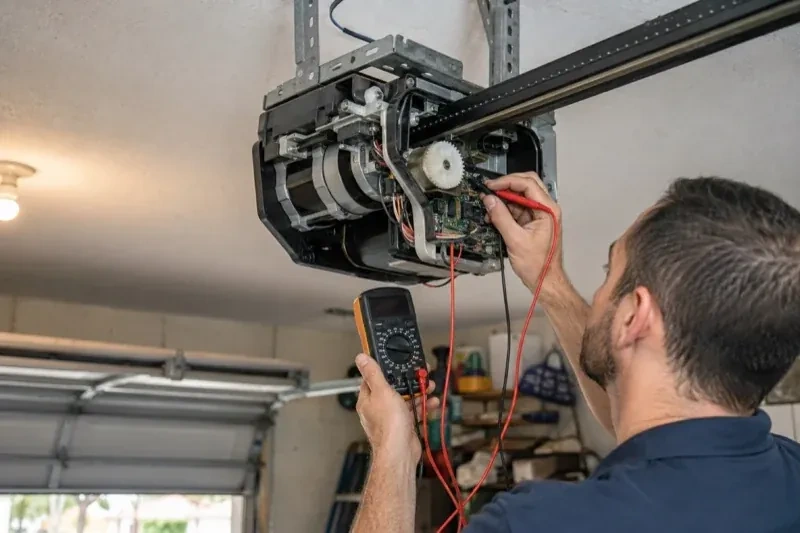
Frequently. The sensors are fed by a thin two-conductor wire from the head unit that crosses the ceiling and drops down both sides of the door, and it is pierced by staples, cut by shelving screws, chewed by mice or pulled from its terminals more often than a sensor fails. Both sensor lights dark, or an opener code for an open or reversed circuit, points to the wire. The technician tests the run with a meter and repairs or replaces the damaged section.
On-site assessment preferred
Describe what you noticed. Request a diagnosis visit.
Open 24/7 · same fees any hour
On-site assessment preferred · (289) 203-0288 · open 24/7