Garage Doors in Hamilton, OntarioDoors for the shop,the bay and the warehouse.
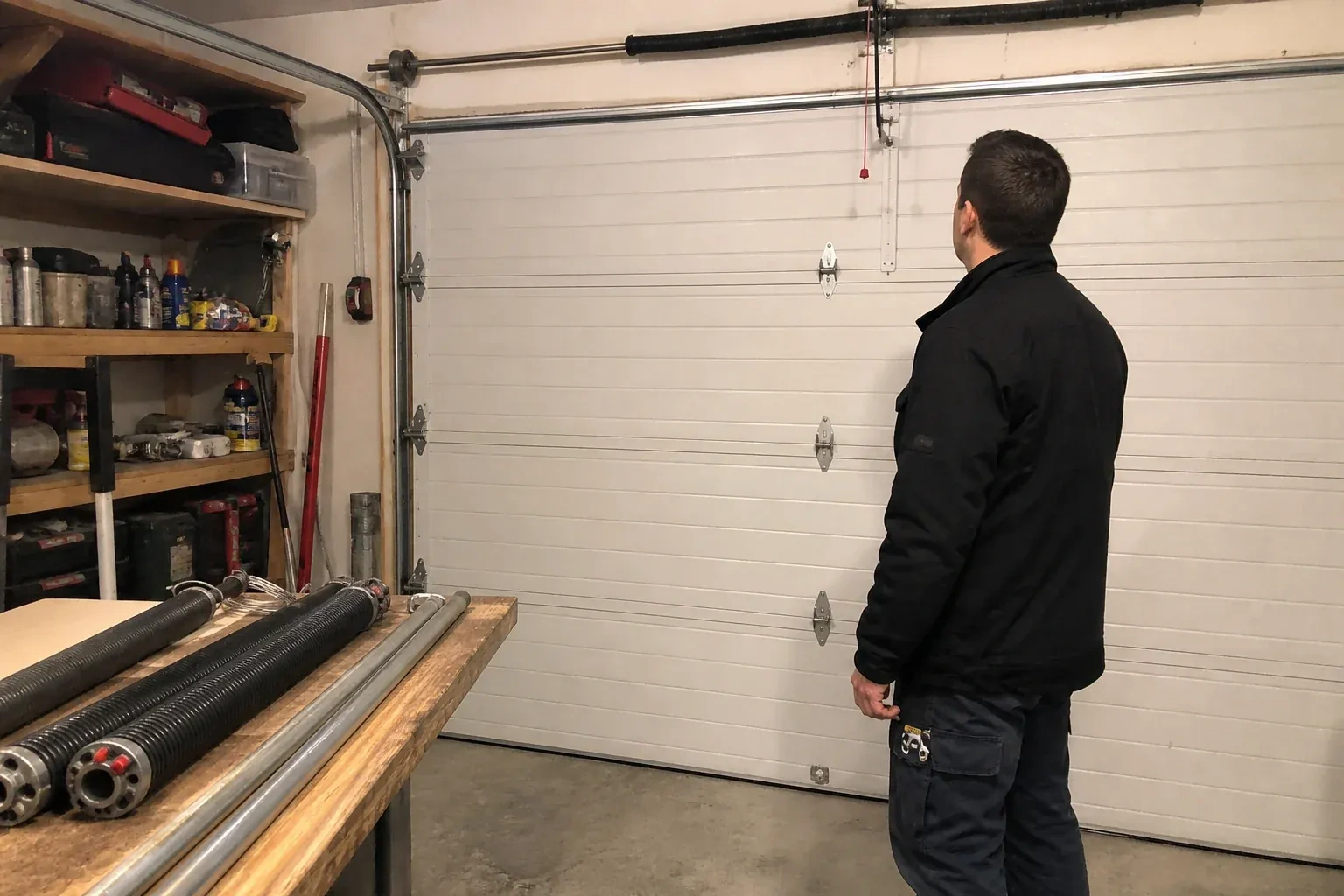
Commercial sectional and rolling steel doors around Hamilton take thousands of cycles a year and the occasional knock from a forklift. We service them with heavy-duty springs, industrial operators and hardware chosen for the work they actually do, and we plan the visit around your opening hours.
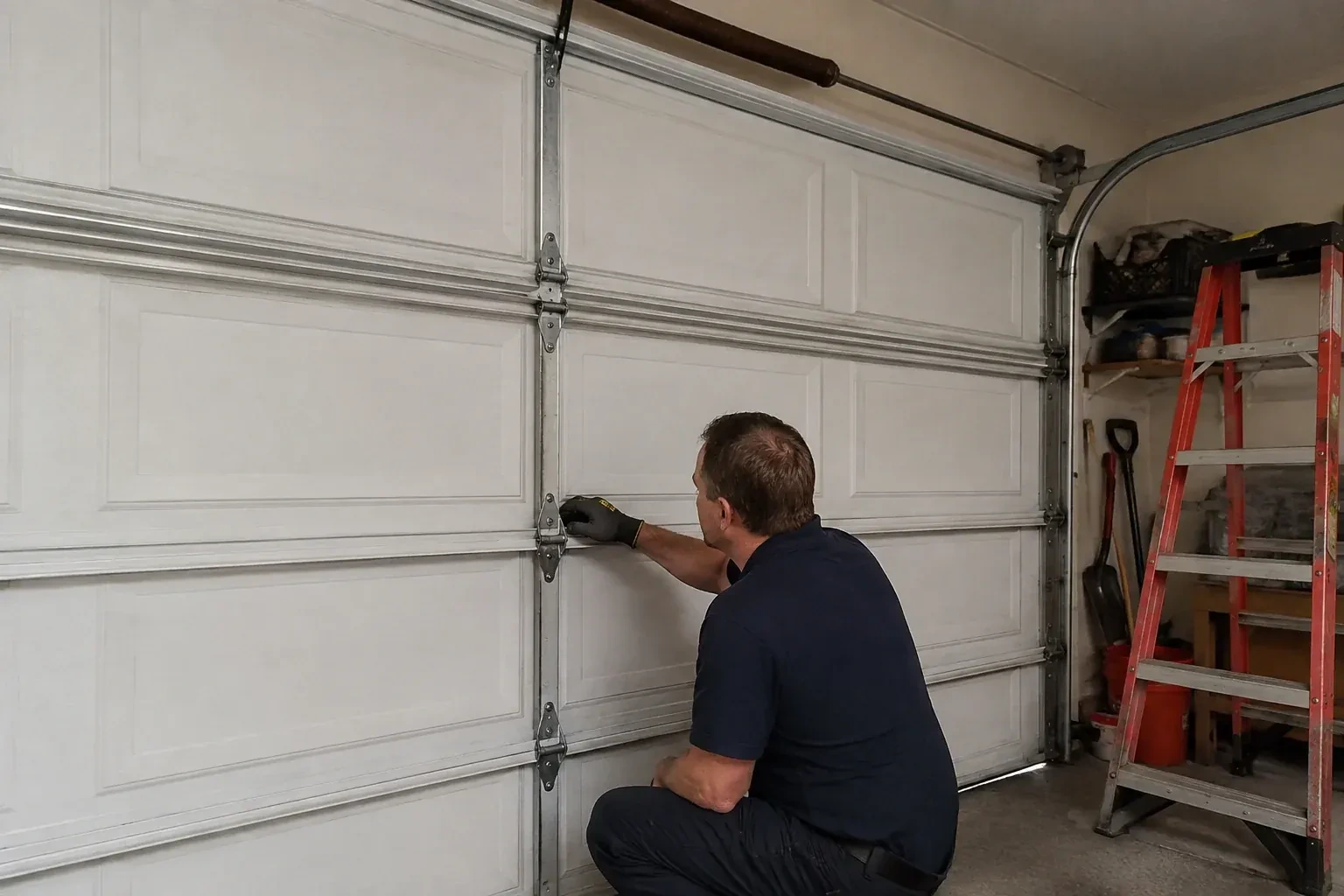
Our technicians treat a door in Hamilton as a system: springs, cables, drums, rollers, tracks, opener and sensors all affecting each other. A repair that ignores the neighbouring parts fails early, so we check the lot, fix what is worn, and tell you honestly what is fine and can wait.
— Escarpment Door Specialists
Honest about conditionYou get a frank picture of the door's state, good parts included, so you know what to expect from it over the coming years.
Work that leaves no traceApart from a door that runs properly, you would not know we had been there. Clean floor, tidy hardware, nothing left behind.
Advice, then your decisionWe recommend, we explain why, and then we do what you choose. The door belongs to you, and so does the decision.
Hours
HoursOpen 24/7
Nights and weekendsSame fees
In business22 years
VisitsOn-site assessment
Garage door services
Pick the job, we handle it
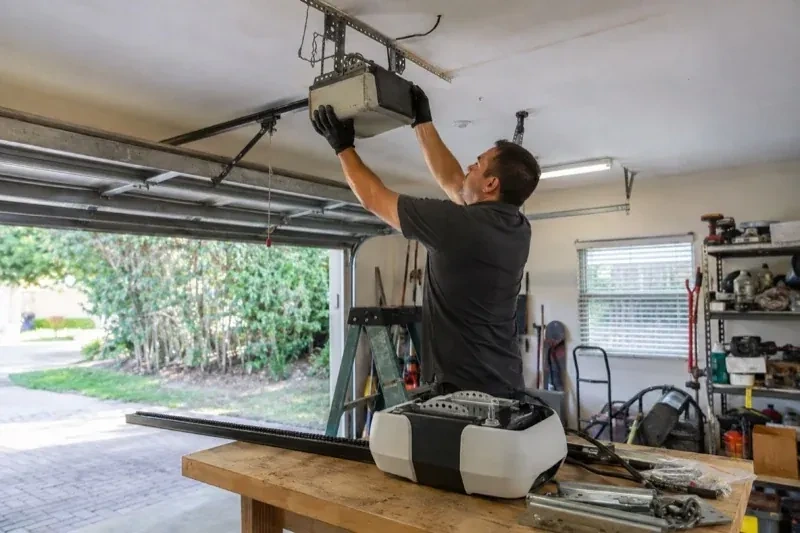
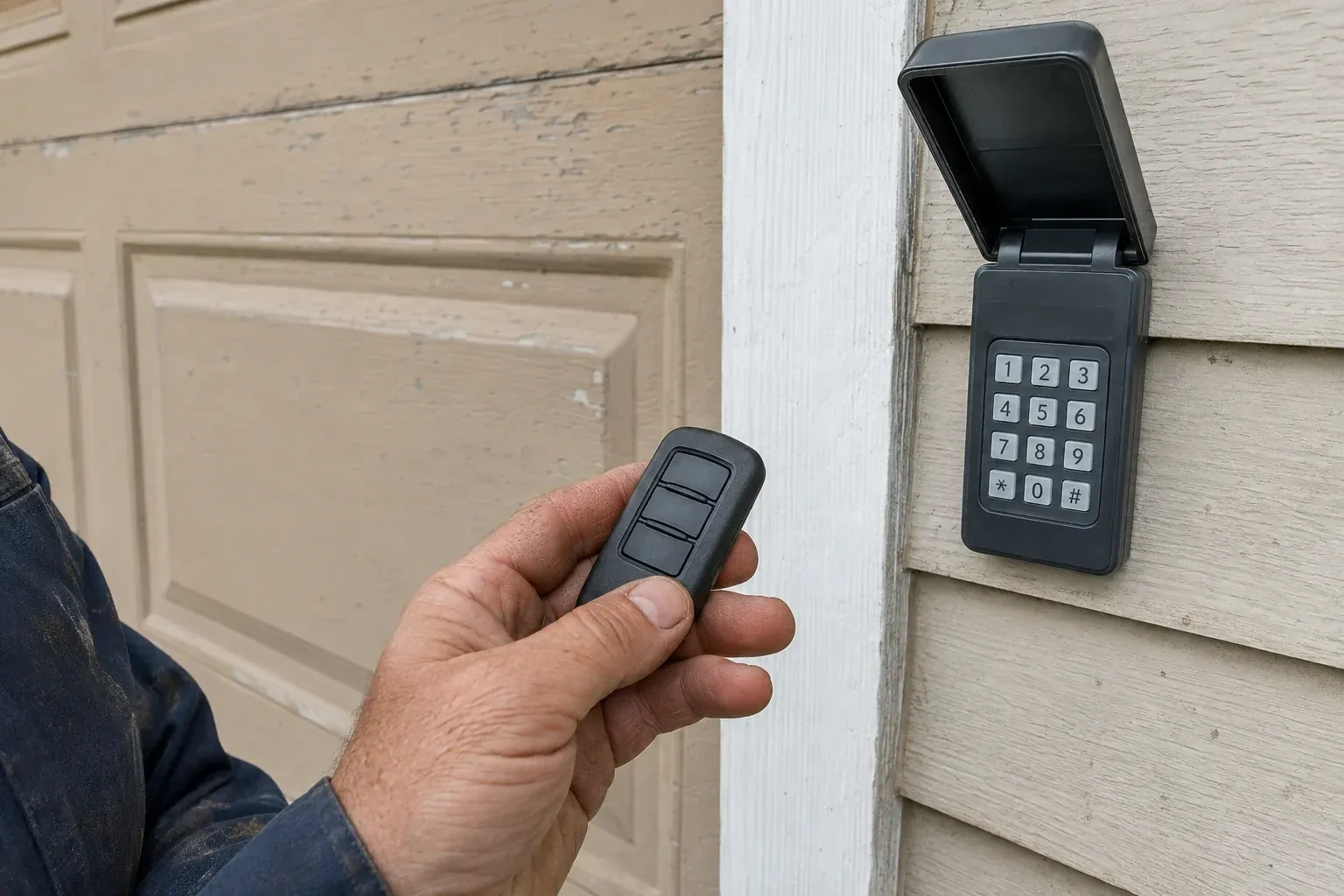
Broken spring, snapped cable, door off the track, opener humming but not lifting, remote lost, seal cracked, panel dented, door too loud for the bedroom above: those are the calls we take from Hamilton, and each has its own service page explaining how we handle it.
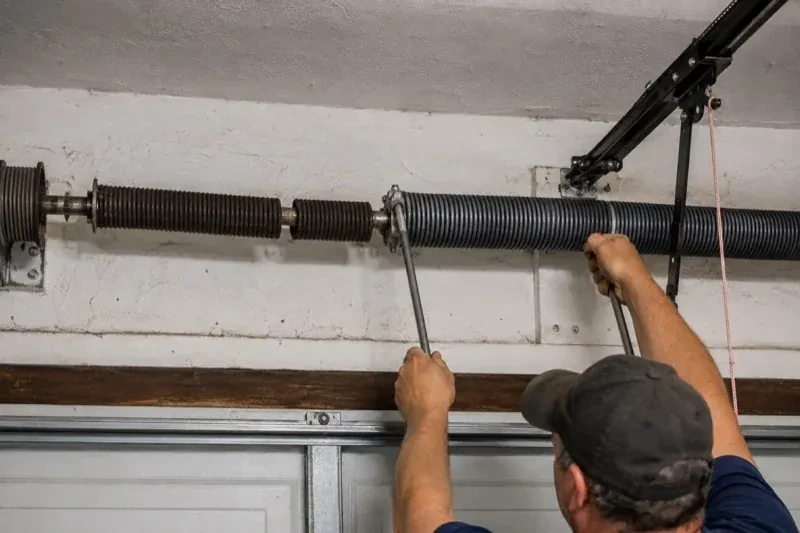
Every spring has a fixed number of open and close cycles in it, and a busy household uses them up sooner than a quiet one. When yours are worn, we fit replacements sized to your door and can suggest longer-life options for heavy use.
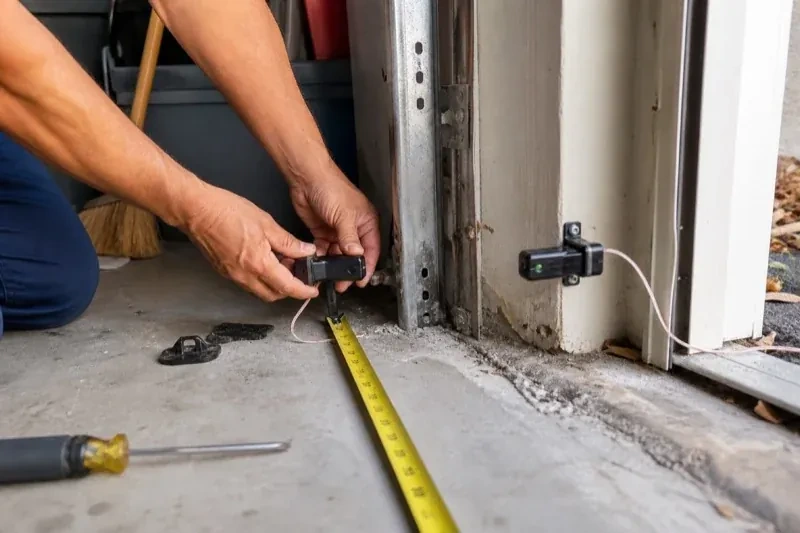
The safety reversal test is quick and tells us a great deal: the door should back off when it meets a solid object on the floor. If it does not, the force or the sensors are wrong, and we correct them before we leave.
About 61% of homes in Hamilton were built in 1980 or earlier, according to the 2021 Census.
In a mature neighbourhood the garage door is often the single largest feature of the front elevation, so keeping the original look matters. Modern insulated doors come in raised-panel and carriage styles that echo the older designs while running on today's torsion hardware.
56%
Single-detached houses make up about 56% of homes in Hamilton (2021 Census).
In a neighbourhood with both detached and attached homes, some customers decide alone and others report to a board or property manager. We adapt the visit accordingly, giving a homeowner options at the door and a manager a written summary they can circulate.
WhyA keyed garage handle hides more than it shows.
A roller near the top corner is riding on the lip of the track rather than inside it, and the section above leans back a little more each week.The usual fix
WhyMost of the noise a garage door makes comes from its rollers.
After years of slushy winters the cables look thinner near the bottom brackets, with rust streaks running down the door where they attach.The usual fix
Should the manual lock be removed when an opener is installed?
Opener makers ask for it to be disabled or removed, and the door industry's guidance agrees. Disabled can mean the bars are fixed back or taken out while the handle stays for appearance, or a snap latch is held open on its catch. Keeping a lock live for outages calls for a manufacturer-approved interlock, not a label alone, since a reminder and routine are not treated as a substitute for removing or disabling the bars.
What happens during the visit, and do I need to move the car?
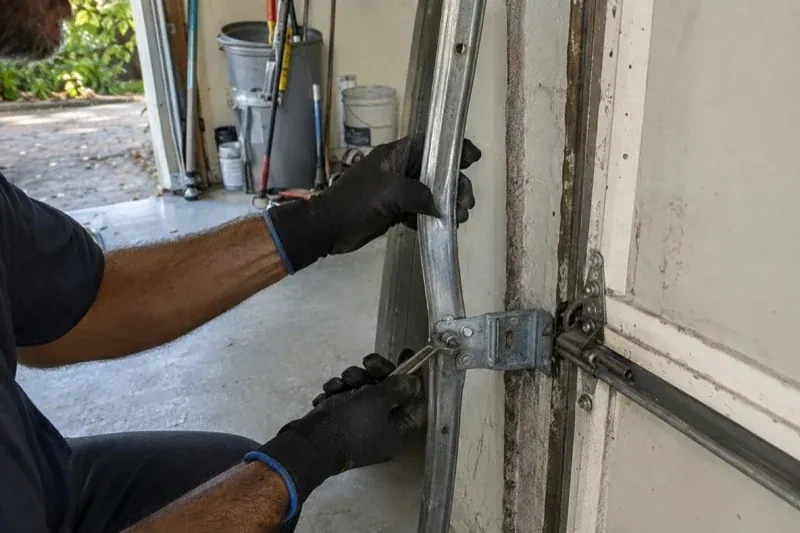
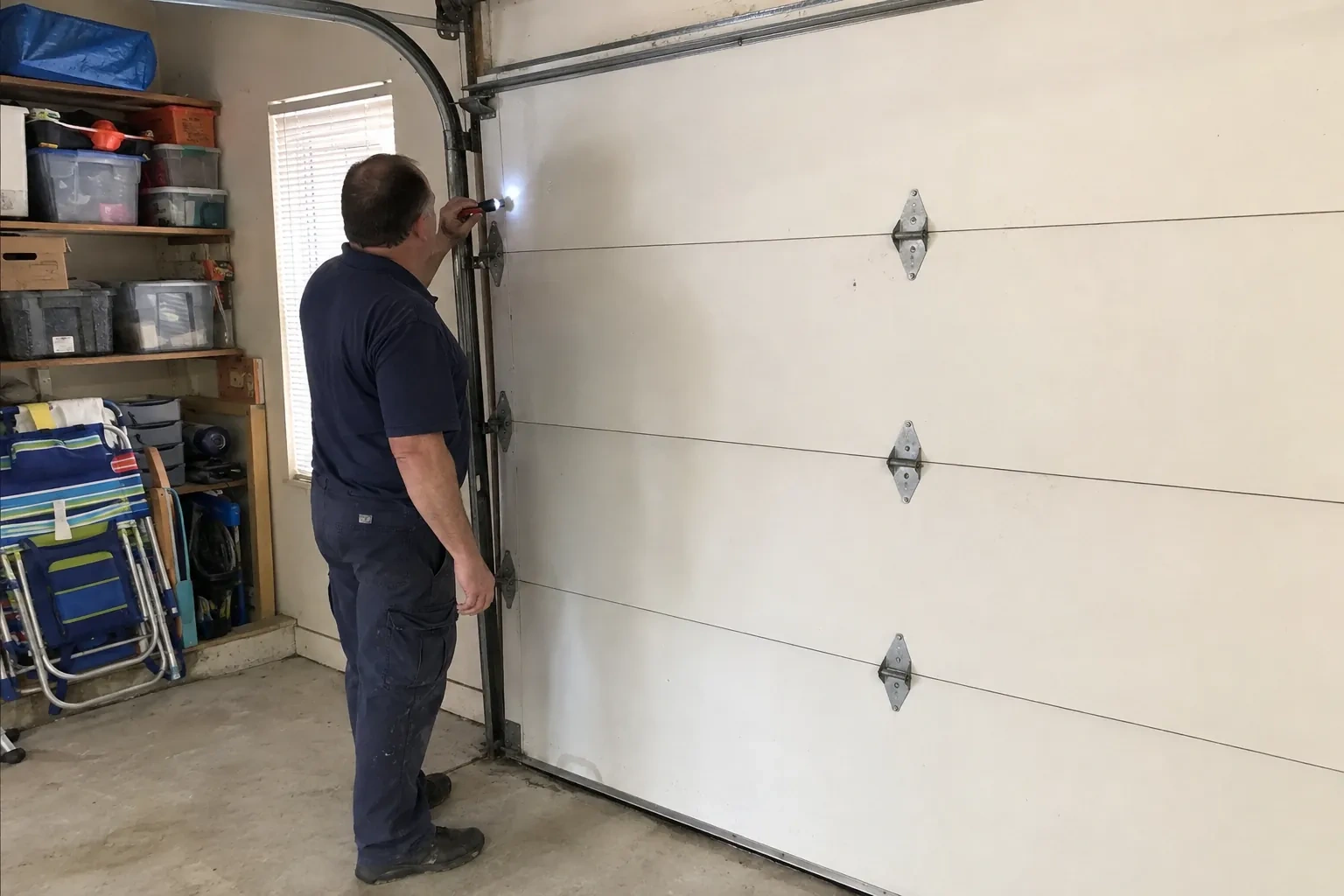
The technician needs clear access to both tracks from floor to ceiling, so moving vehicles out and shifting anything stored against the walls near the tracks helps. The visit itself runs in order: the door is watched in motion, every roller and its hardware is inspected, the door's balance is tested, the door is secured and the rollers are changed one position at a time, the track is cleaned and squared, moving parts are lubricated, and the door and opener are tested.
How long do lift cables usually last?
Cables tend to live about as long as the springs they work with, often ten years or more on a door used a few times a day, and less on a door that sees heavy use or a wet, salty floor every winter. Rather than a calendar, watch the condition: fraying, rust near the loop or a slack side are the signs the set is due.
How many turns does a torsion spring need?
As a starting point, roughly one full turn for every foot of door height, so a seven-foot door carries a little over seven turns and an eight-foot door a little over eight. The exact figure depends on the drum size and the spring's rating, so the technician winds to the estimate and then fine-tunes by quarter turns until the hand test passes at every height.
There are white plastic shavings under the opener. What are they?
Teeth from the drive gear. Many chain-drive openers use a nylon gear between the motor and the sprocket, and after years of running, especially against a heavy or dry door, its teeth shear off and fall as fine white curls onto whatever is parked below. The motor then spins without moving the chain. The gear and sprocket are replaced as a kit, and the door balance is checked so the new gear is not asked to carry the same load.
On-site assessment preferred
Request a visit
Describe what you noticed. Request a diagnosis visit.
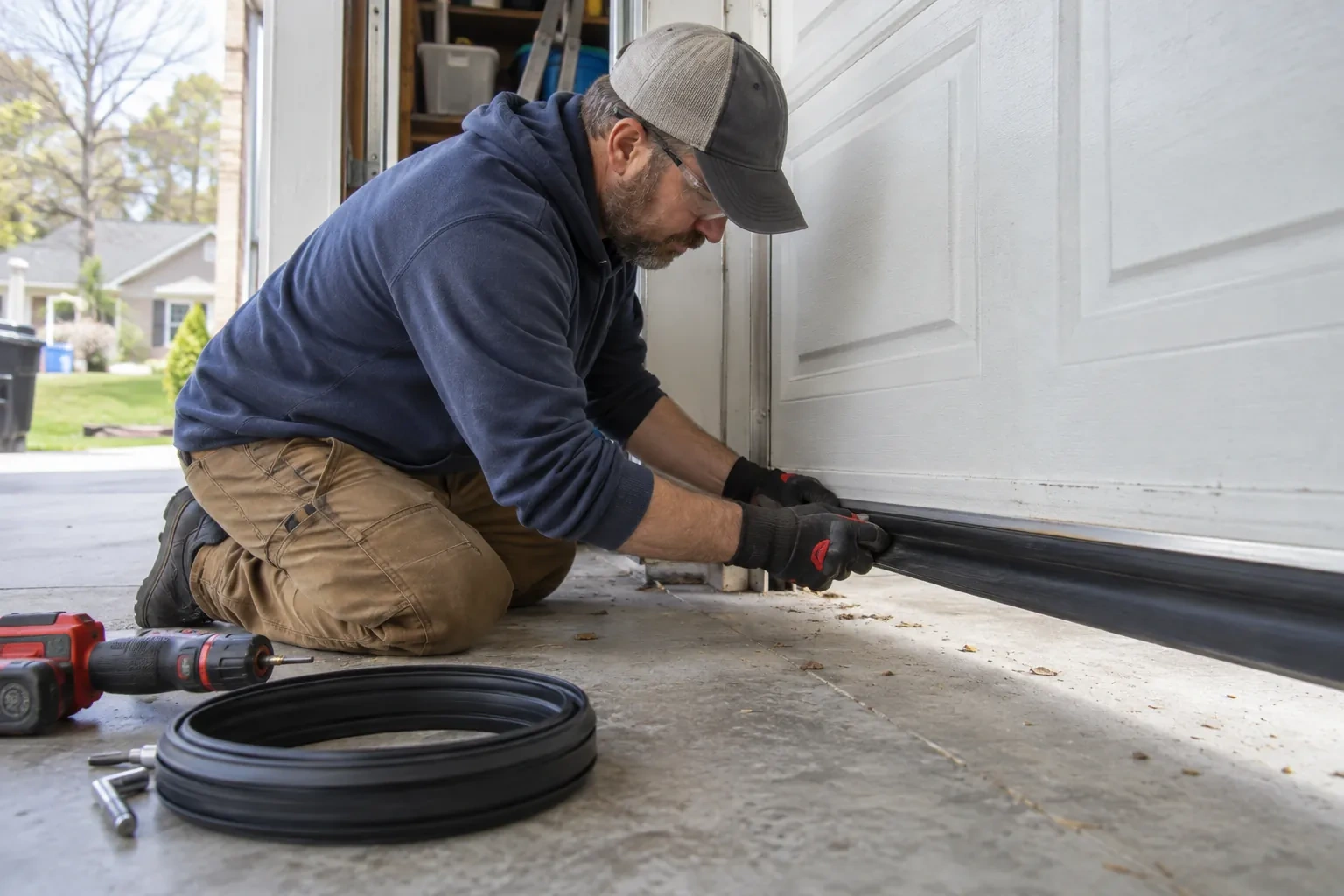
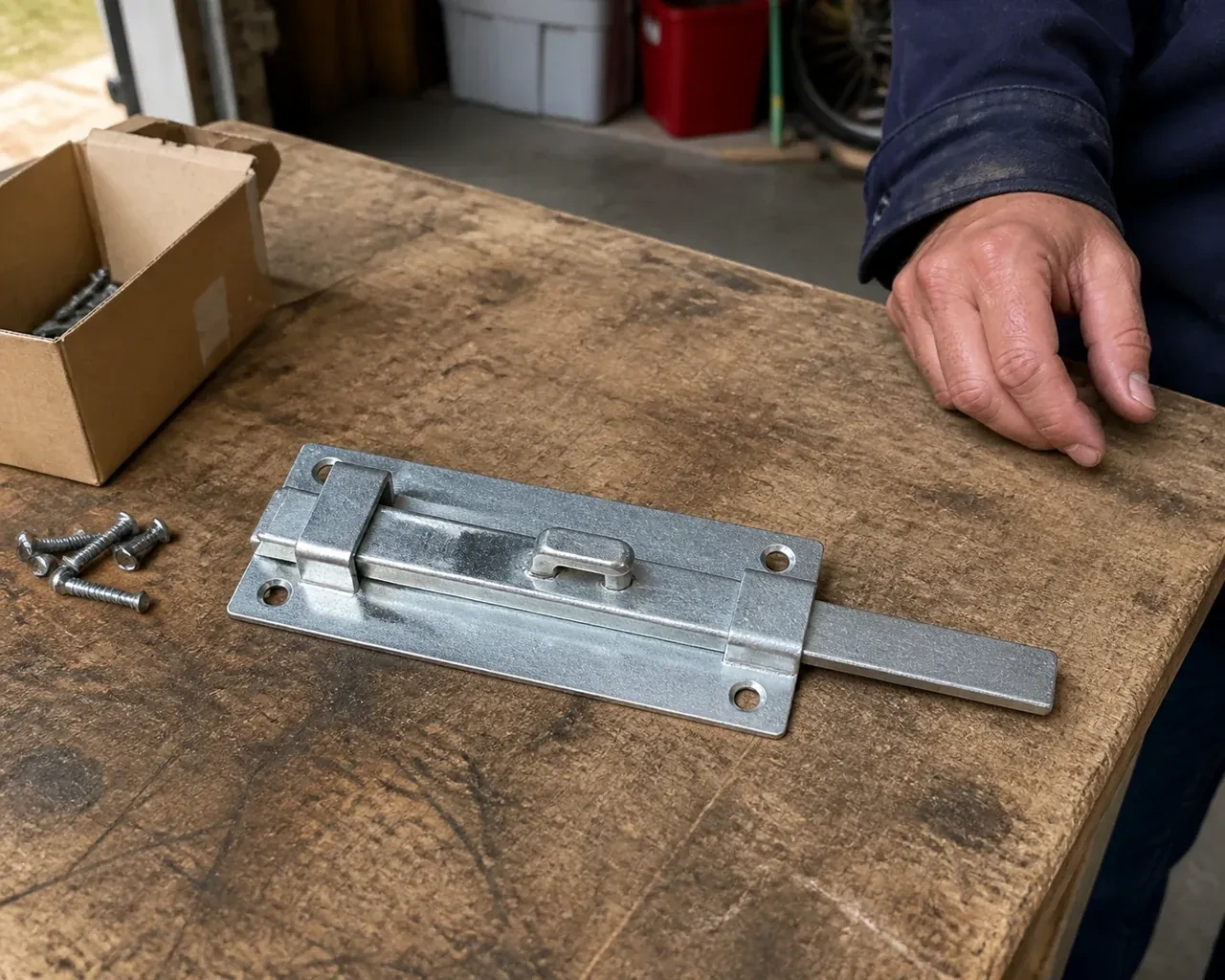 Garage Door Manual Lock RepairThe outside handle wobbles in your hand and the inside knob spins round and round with nothing attached.
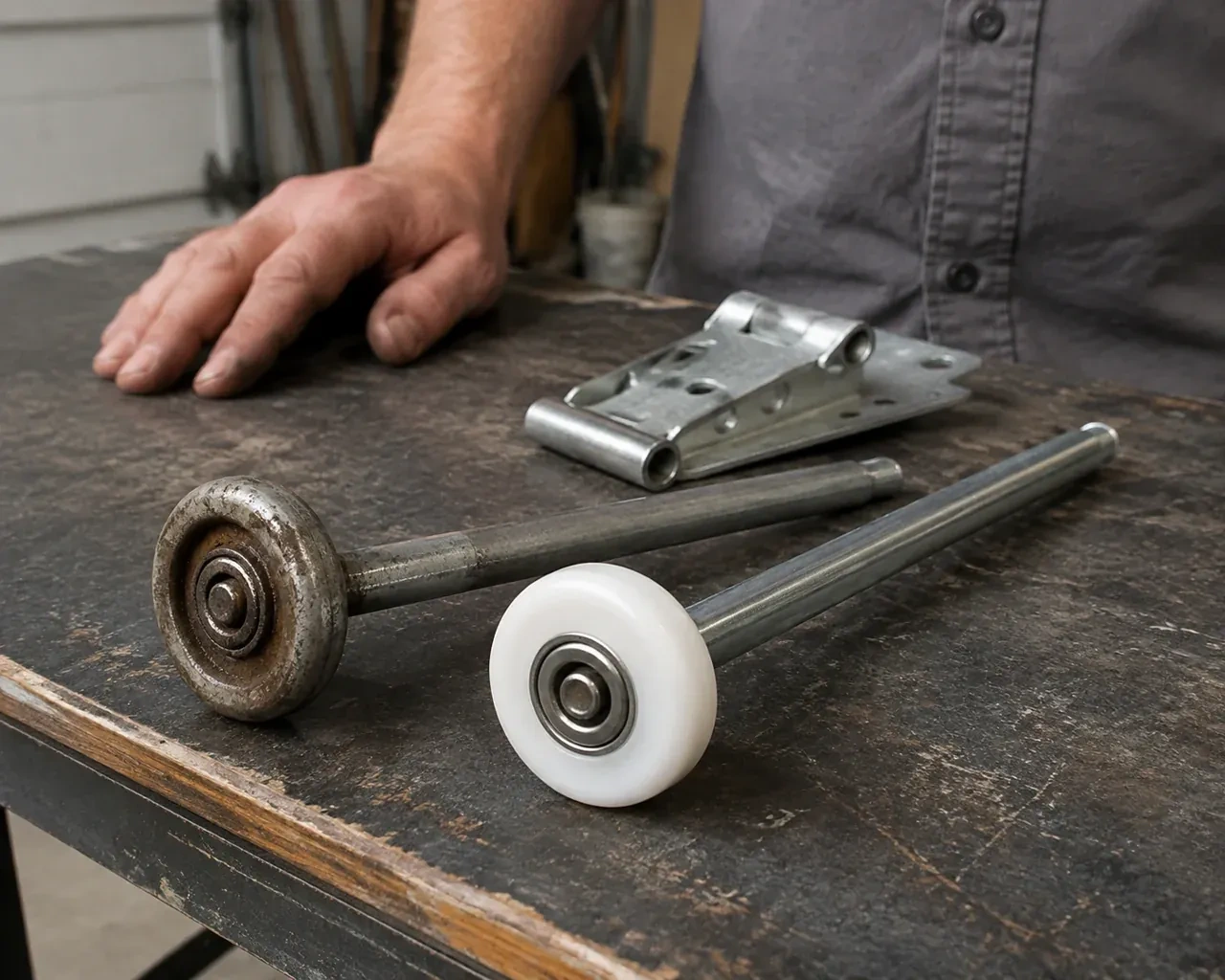 Garage Door Roller ReplacementA roller near the top corner is riding on the lip of the track rather than inside it, and the section above leans back a little…
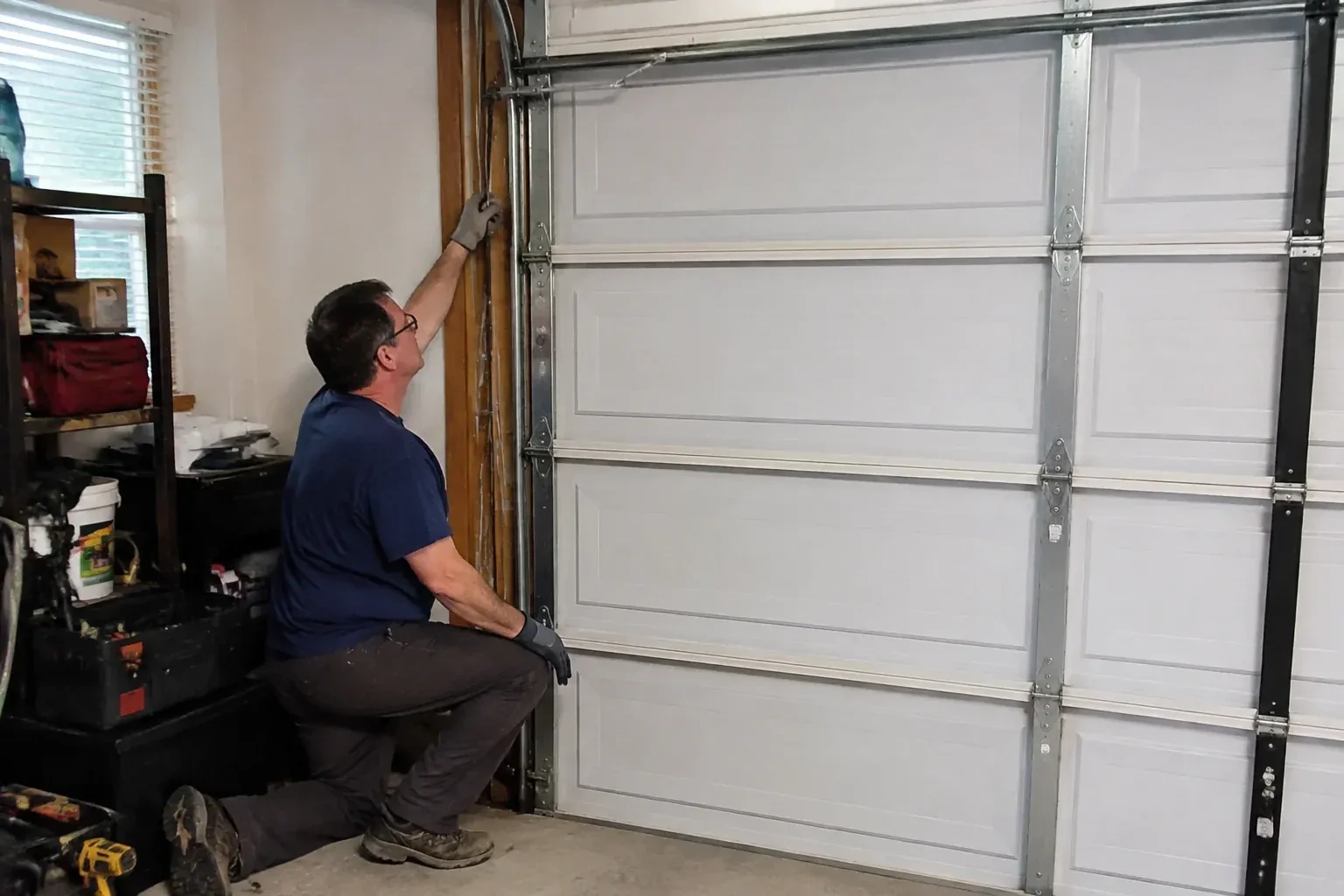 Garage Door Cable ReplacementYour older door has springs along the tracks, and one cable has slipped off its pulley and dangles slack.
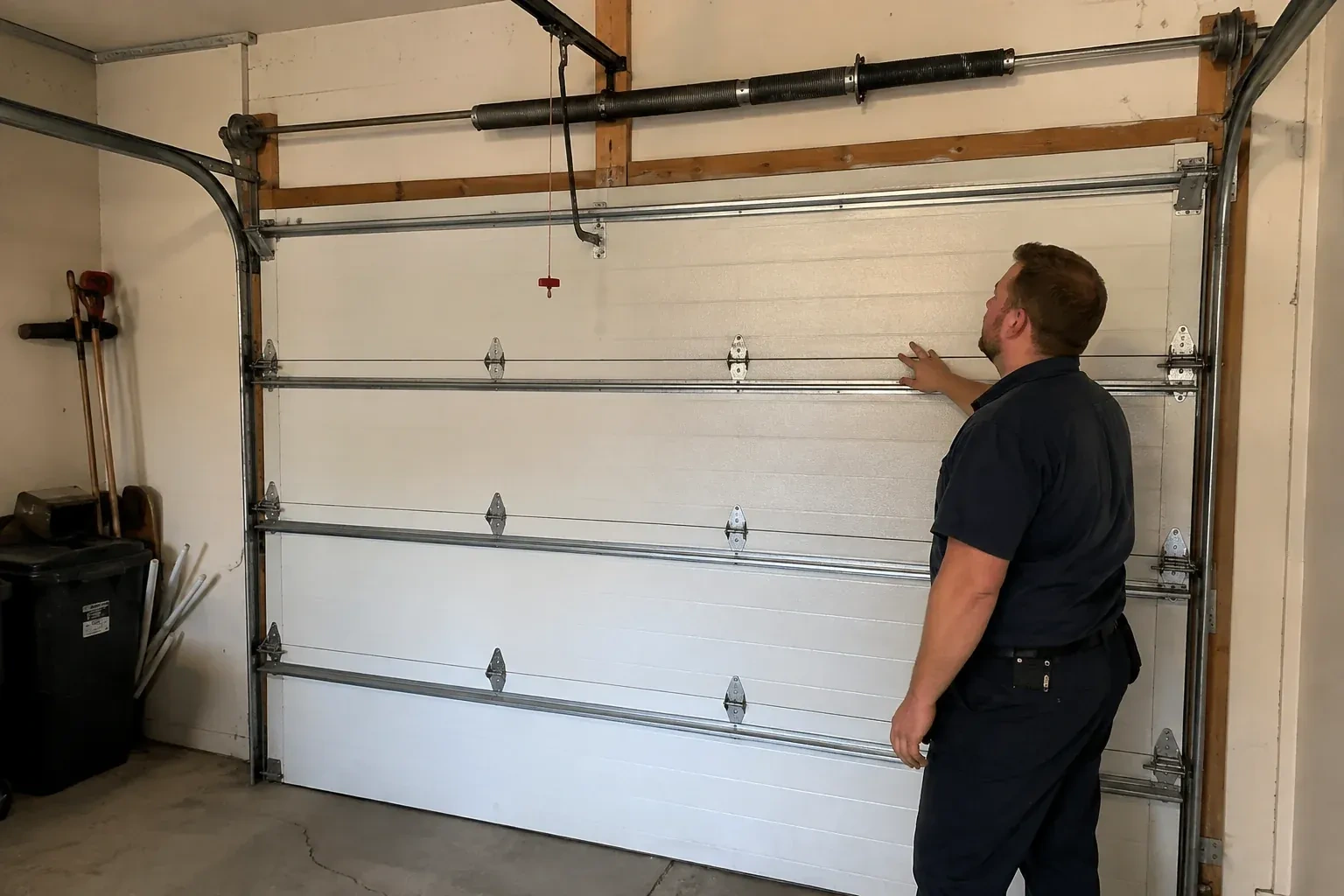 Garage Door Balance AdjustmentThe door has grown heavy so gradually you stopped noticing, until a visitor tried to lift it and could not.
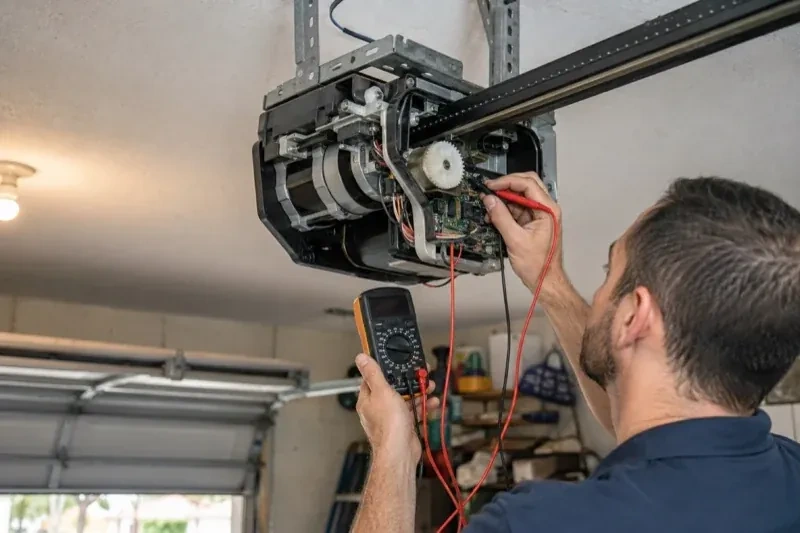 Garage Door Opener Diagnosis and RepairThe motor runs, the chain rattles along the rail, and the door does not move a millimetre.
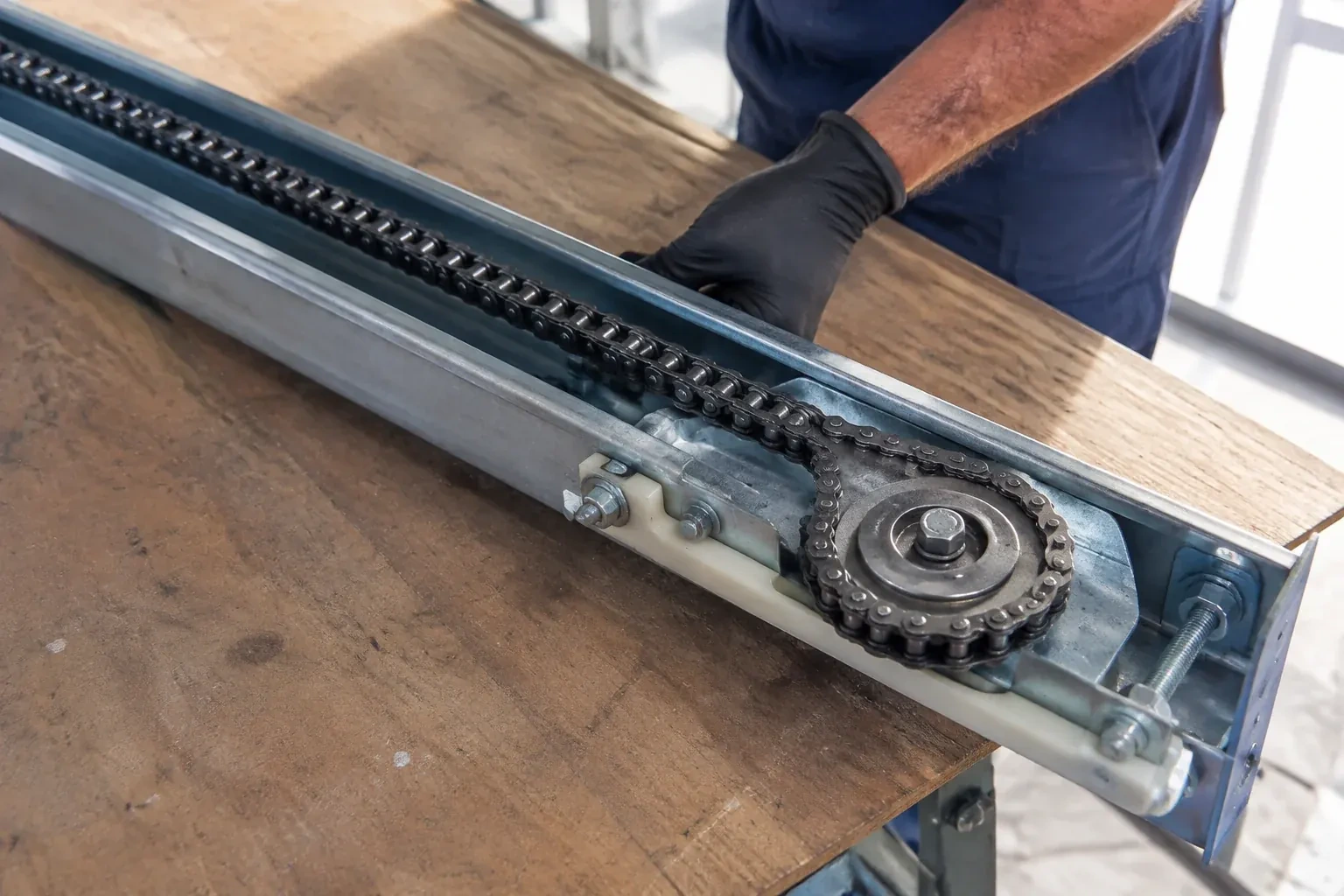 Chain-Drive Opener RepairThe door opens about a third of the way and stops.
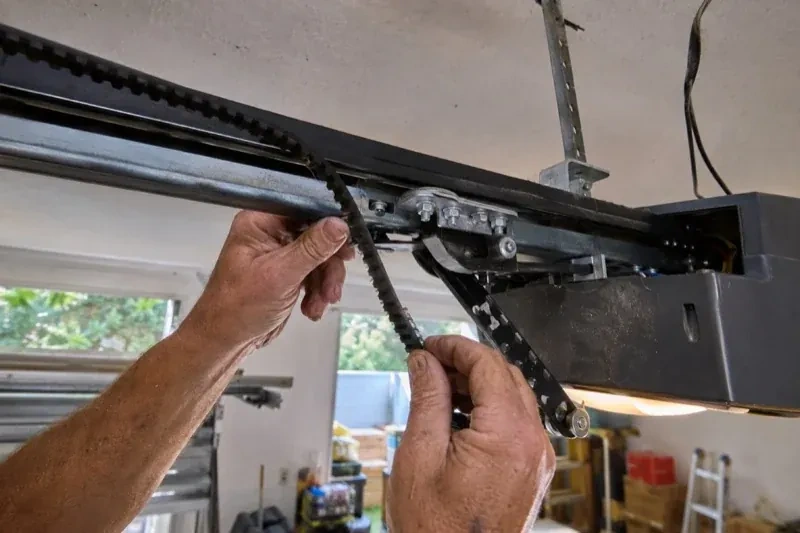 Belt-Drive Opener RepairThe belt looks fine from a distance, but up close the rubber has cracked across the back in dozens of places and, in one spot…
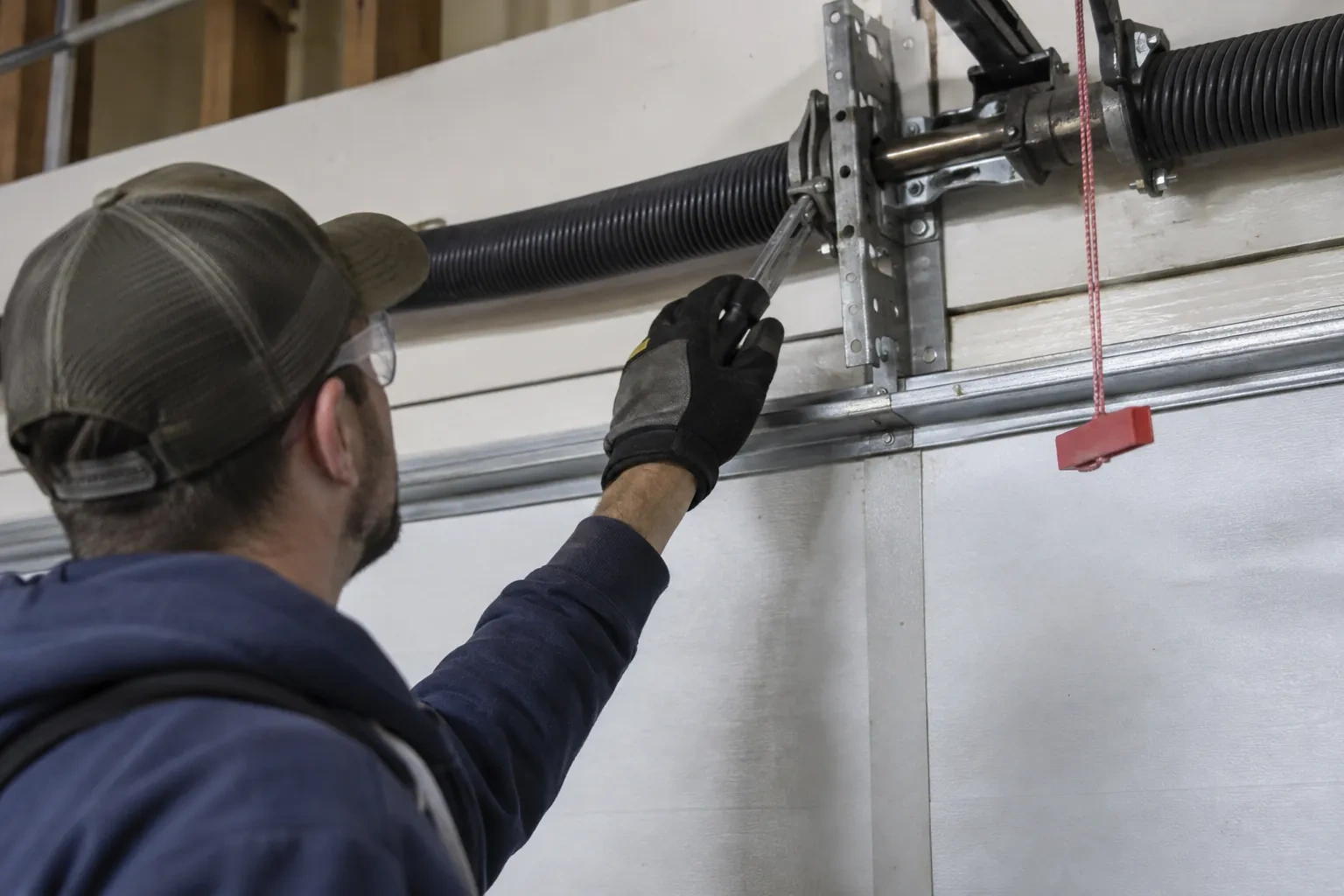 Smart Garage Controller SetupYour daughter gets home from school an hour before anyone else.
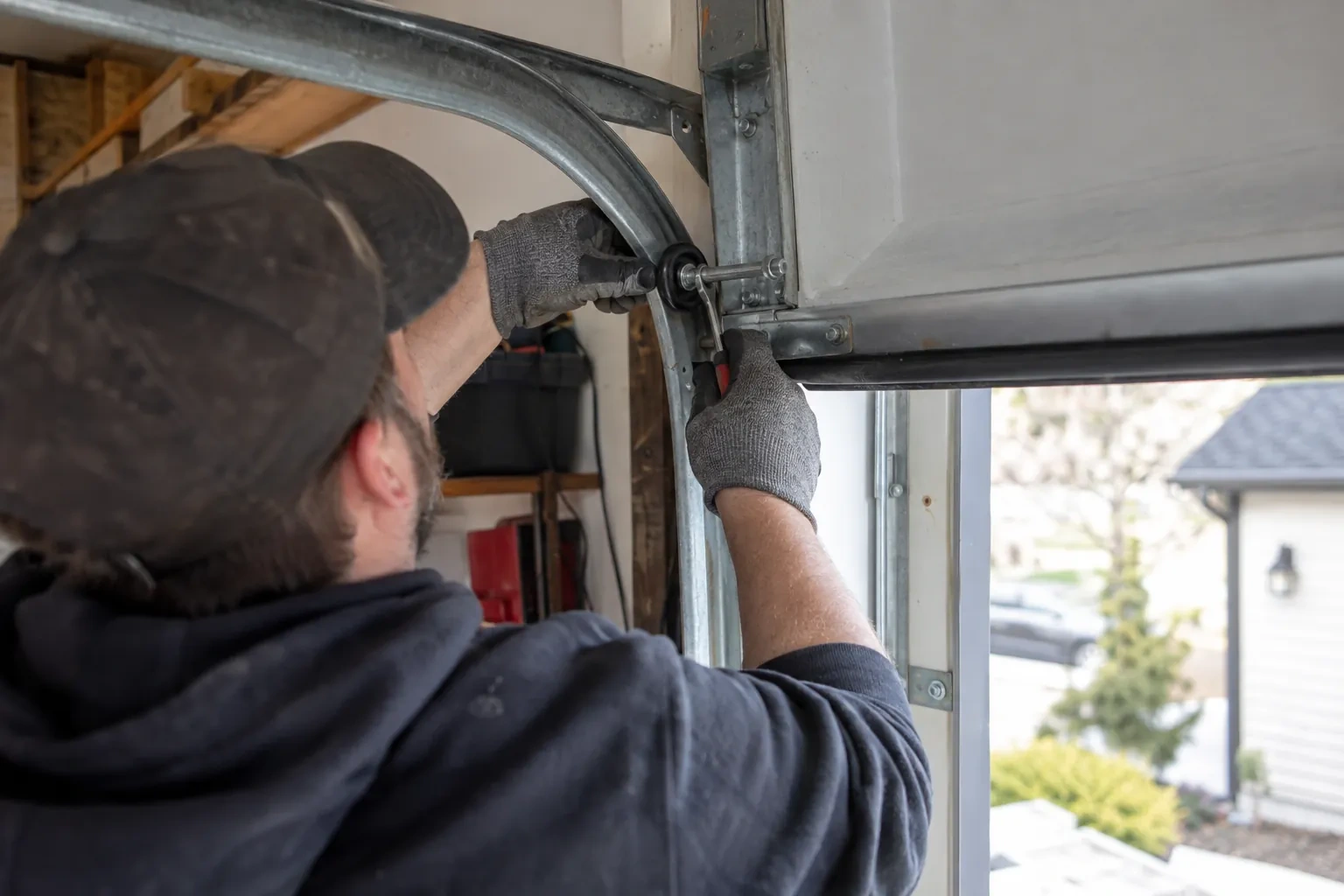 Emergency Release RepairHalfway up, the door lets go of the opener with a clunk and sinks back to the floor while the trolley carries on to the top alone.
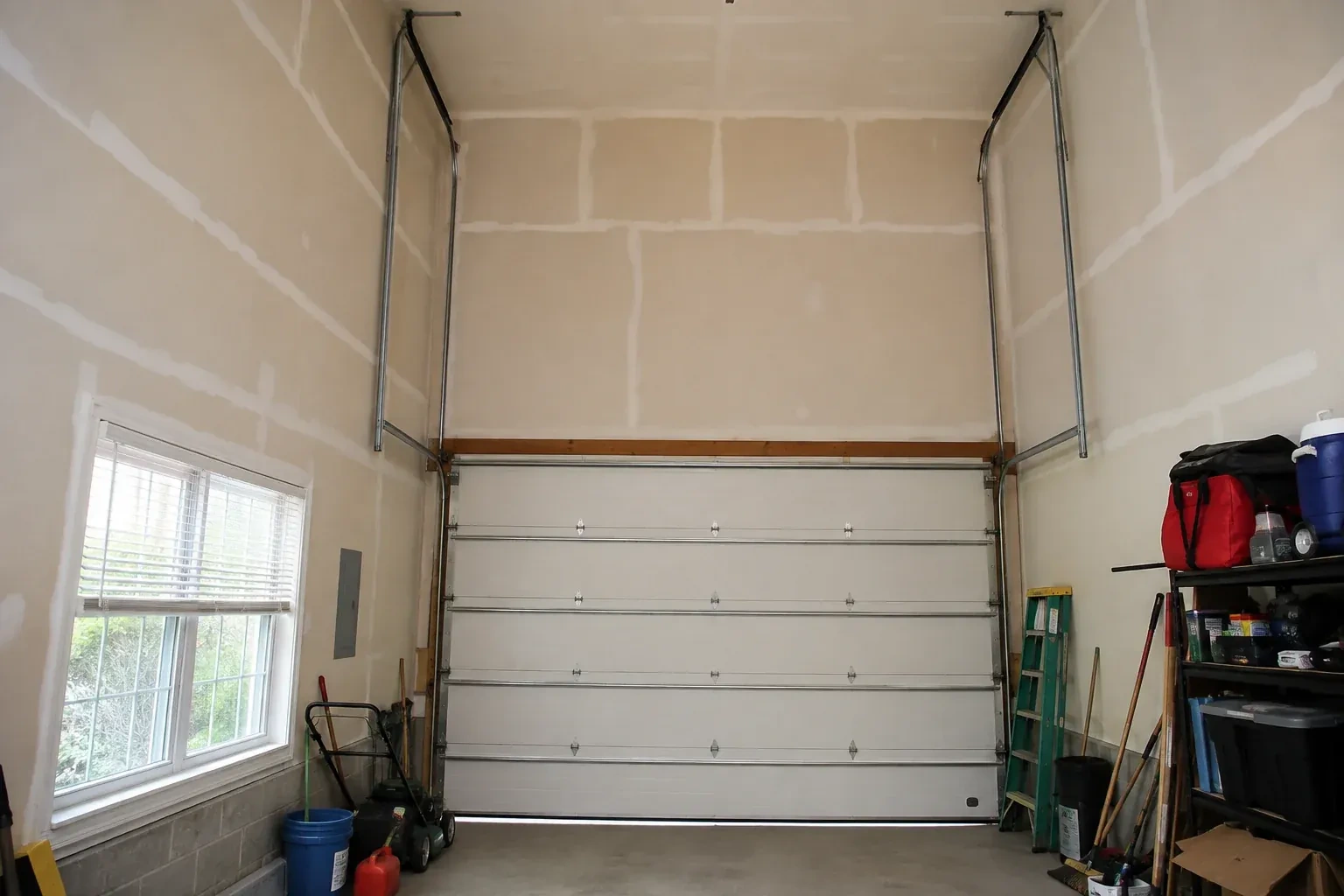 High-Lift Garage Door ConversionYou want to keep the sectional door, but its standard track layout conflicts with a renovation above the parking bay.